
Yes, they connect to any LoRaWAN or MQTT infrastructure (Kerlink, Cisco, Milesight, MultiTech, etc.) for flexible integration with existing SCADA systems.
Fuel Transfer Pressure Monitoring (Loading & Unloading Safety) — ATEX
Prevents incidents during loading operations
Pressure
Quick Overview
| Problem | Fuel loading and unloading operations involve rapid pressure changes across hoses, manifolds, and transfer lines. Undetected overpressure or pressure instability can lead to hose rupture, leaks, or safety incidents in ATEX-classified refinery and terminal areas. |
| Solution | SENSAiO’s ATEX-certified pressure sensors provide continuous, wireless monitoring of fuel transfer pressure, enabling real-time detection of abnormal conditions during loading and unloading operations. |
| Value | Safer transfer operations • Reduced spill risk • Faster response to anomalies • Lower inspection OPEX |
| ATEX | Zones 0–2 • Ex ia IIC T4 Gb certified pressure sensors |
The Operational Challenge
Downstream fuel transfer operations occur during:
- Truck loading and unloading
- Railcar filling and emptying
- Ship and barge bunkering
- Inter-tank and manifold transfers
These operations are characterised by:
- Frequent connection and disconnection of hoses
- Rapid changes in flow rate
- Variable backpressure from downstream equipment
- Manual valve and pump operation
Common risks include:
- Overpressure due to blocked lines or closed valves
- Hose fatigue and rupture
- Seal failure and leakage
- Delayed detection of abnormal transfer conditions
Traditional safeguards often rely on:
- Mechanical pressure gauges
- Operator supervision and manual checks
- Emergency shutdown after visible leaks
These measures may not provide early warning, especially during fast-paced transfer operations.
Why Continuous Pressure Monitoring Matters
Pressure behaviour is the most direct indicator of safe fuel transfer conditions.
Continuous monitoring enables operators to:
- Detect abnormal pressure rise immediately
- Identify blocked hoses or closed valves before rupture
- Monitor pressure stability throughout the transfer
- Validate safe operating envelopes
Early detection of pressure anomalies significantly reduces the likelihood of spills, fire hazards, and equipment damage. In ATEX environments, remote monitoring also reduces personnel exposure during high-risk operations.
SENSAiO Solution
SENSAiO delivers a wireless, intrinsically safe pressure monitoring solution for downstream fuel transfer operations.
Core Components
Pressure Sensor (ATEX Ex ia IIC T4 Gb)
High-accuracy pressure measurement suitable for hydrocarbon transfer lines, hoses, and manifolds.
Wireless Communication
Supports LoRaWAN, Modbus, and MQTT, enabling real-time integration with terminal SCADA and loading automation systems.
Installation & Power
Battery-powered, threaded or clamp-on installation allows rapid deployment on existing transfer infrastructure.
Operational Benefits
- Immediate detection of unsafe pressure conditions
- Reduced spill and fire risk
- Improved operational discipline during transfers
- Lower reliance on manual supervision
Results and ROI
ATEX Compliance and Safety
All pressure sensors for fuel transfer monitoring comply with:

- Ex II 2 G Ex ia IIC T4 Gb (Zones 0–2)
- IECEx certification
- ATEX Directive 2014/34/EU
The intrinsically safe design supports installation on live transfer systems without shutdown, ensuring safe operation in explosive atmospheres.
Integration and compatibility
| Protocols | LoRaWAN, Modbus RTU/TCP, MQTT, REST API |
| Systems | SCADA, terminal management, loading automation platforms |
| Vendors | Honeywell, ABB, Emerson, Schneider |
| Cybersecurity | AES-128 encrypted communication with secure transport |
FAQ - Common Questions
Are Sensa.io sensors compatible with any gateway or network?
What ATEX certifications apply to Sensa.io devices?
All hazardous-area models are certified Ex II 2 G Ex ia IIC T4 Gb and IECEx approved for Zones 0–2.
What is the typical battery life?
Up to 10 years at 15-minute intervals, depending on signal strength and environment.
How are the sensors integrated into existing systems?
Through standard protocols — LoRaWAN, Modbus, MQTT, REST API — no proprietary middleware needed.
How does predictive maintenance reduce OPEX?
Early anomaly detection reduces emergency interventions by 30–40 %, extends equipment life and lowers energy costs.
What does the Sensa.io Valve Position Sensor actually measure?
The device detects real-time valve position states—open, closed, or intermediate—with high accuracy. It continuously sends this information wirelessly to your monitoring dashboard.
Can this sensor detect partial valve movement or stuck valves?
Yes. The sensor identifies irregular patterns such as partial movement, delayed response, or stuck valves, enabling early maintenance before failure occurs.
Is this sensor suitable for manual, motorized, and actuated valves?
Yes. It supports a wide range of valve types including ball, gate, butterfly, actuator-driven, and manual valves.
How fast does it update the valve position?
You can configure the reporting interval—from seconds to minutes—depending on your operational and battery needs.
How long does installation take?
Most installations take under 10 minutes. The sensor mounts using brackets or clamps without modifying existing valves.

Explore Our Sensors
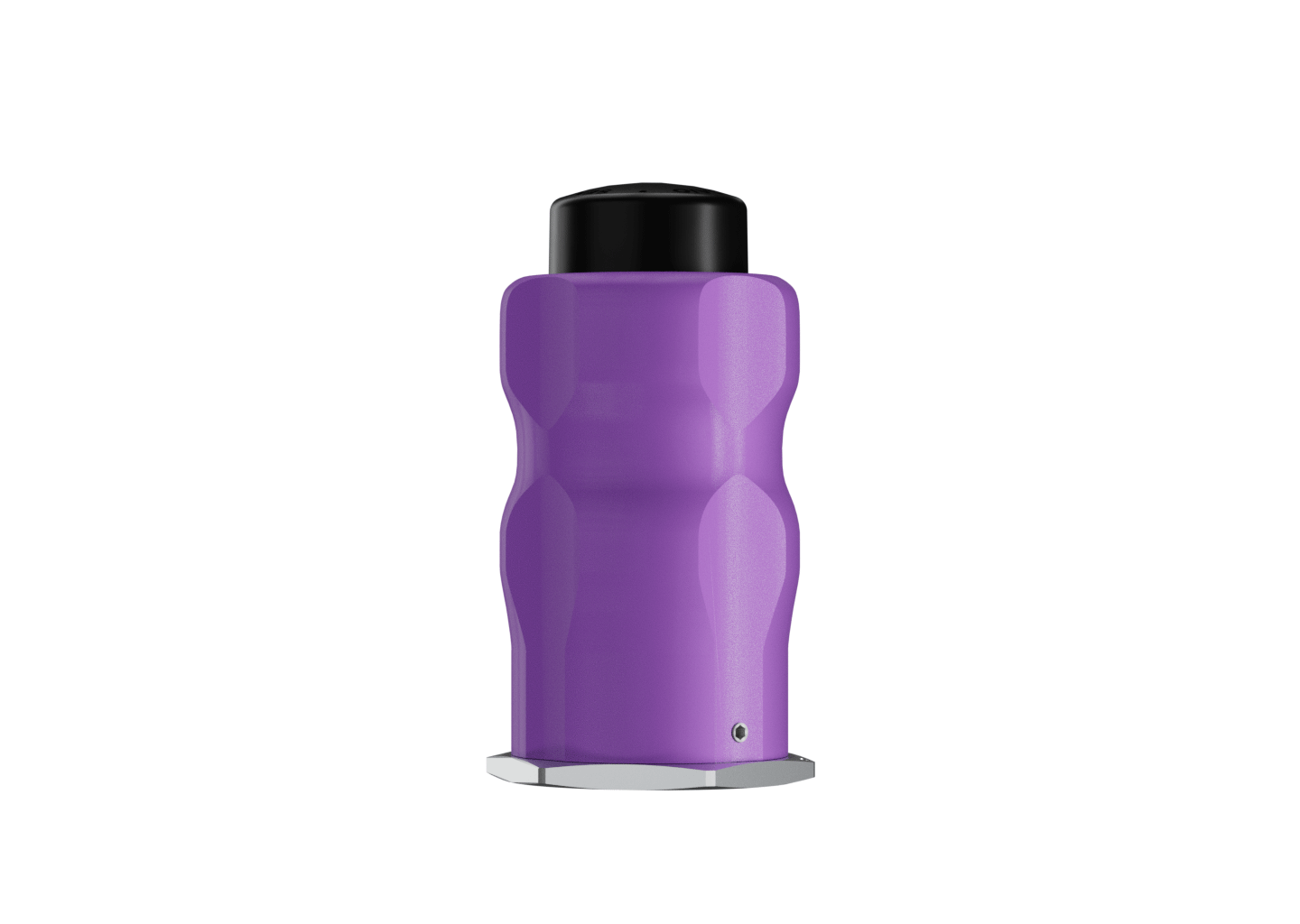
Valve position
The Sensa iO Valve Position Sensor provides real-time open/close feedback for manual and automated valves in oil & gas, chemical, and hydrogen operations.
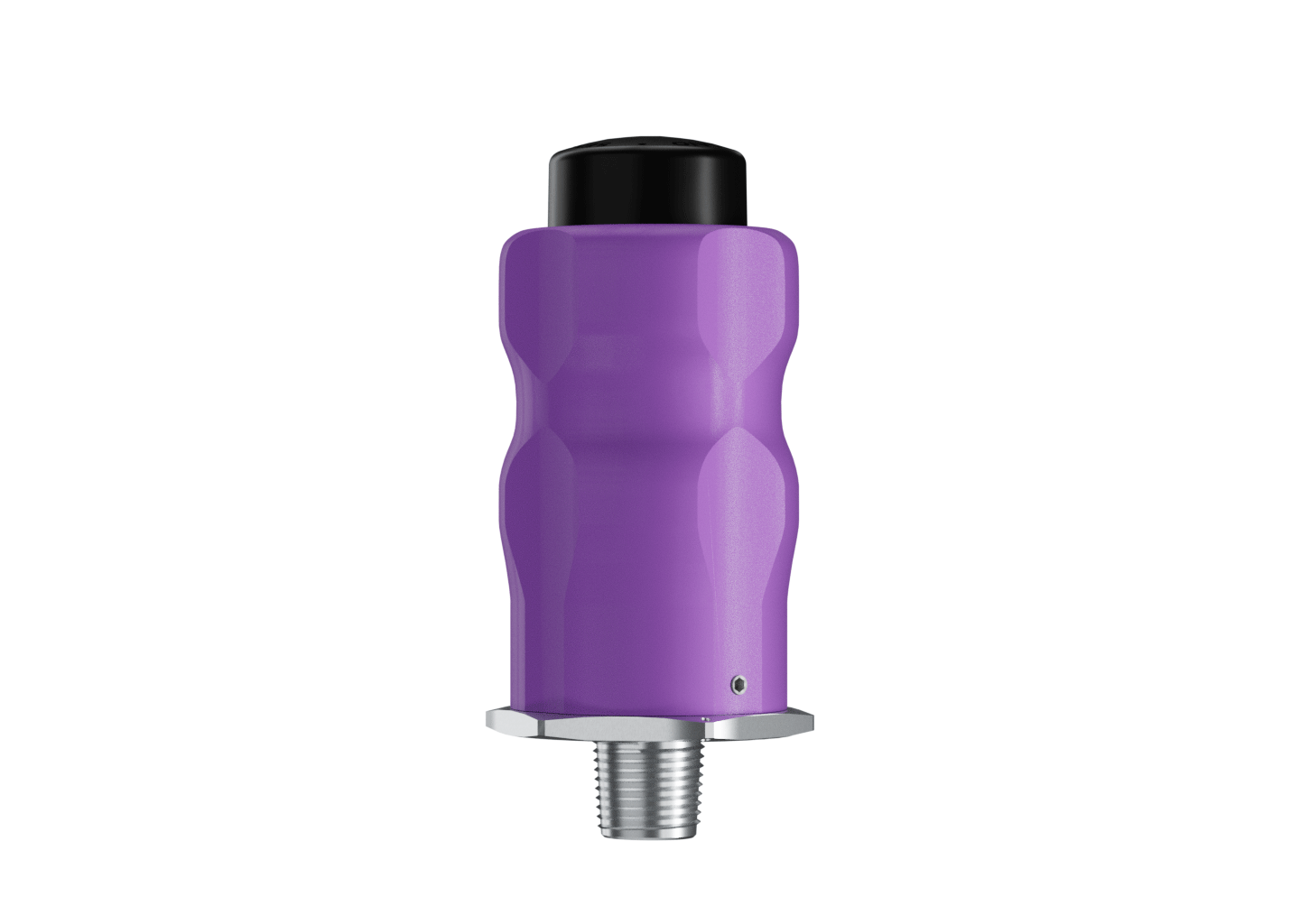
Pressure
A rugged, industrial-grade pressure sensor designed for high-demand oil & gas applications. Provides continuous gas and liquid pressure monitoring, with ATEX intrinsic safety, IP67 housing, and LoRaWAN® connectivity.
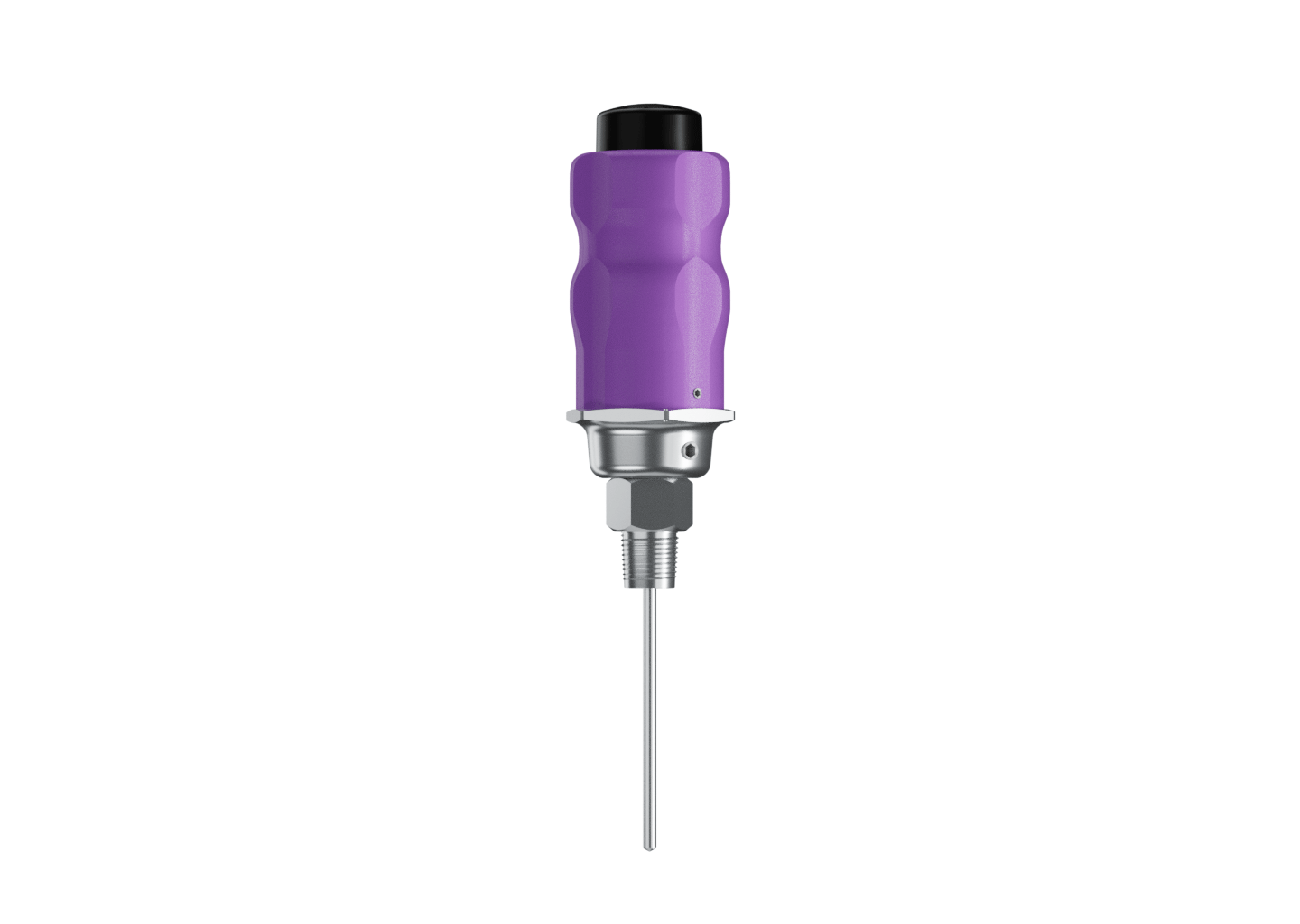
Temperature
Sensa iO’s temperature sensor delivers precise temperature data for process lines, steam systems, heat exchangers, and storage assets.
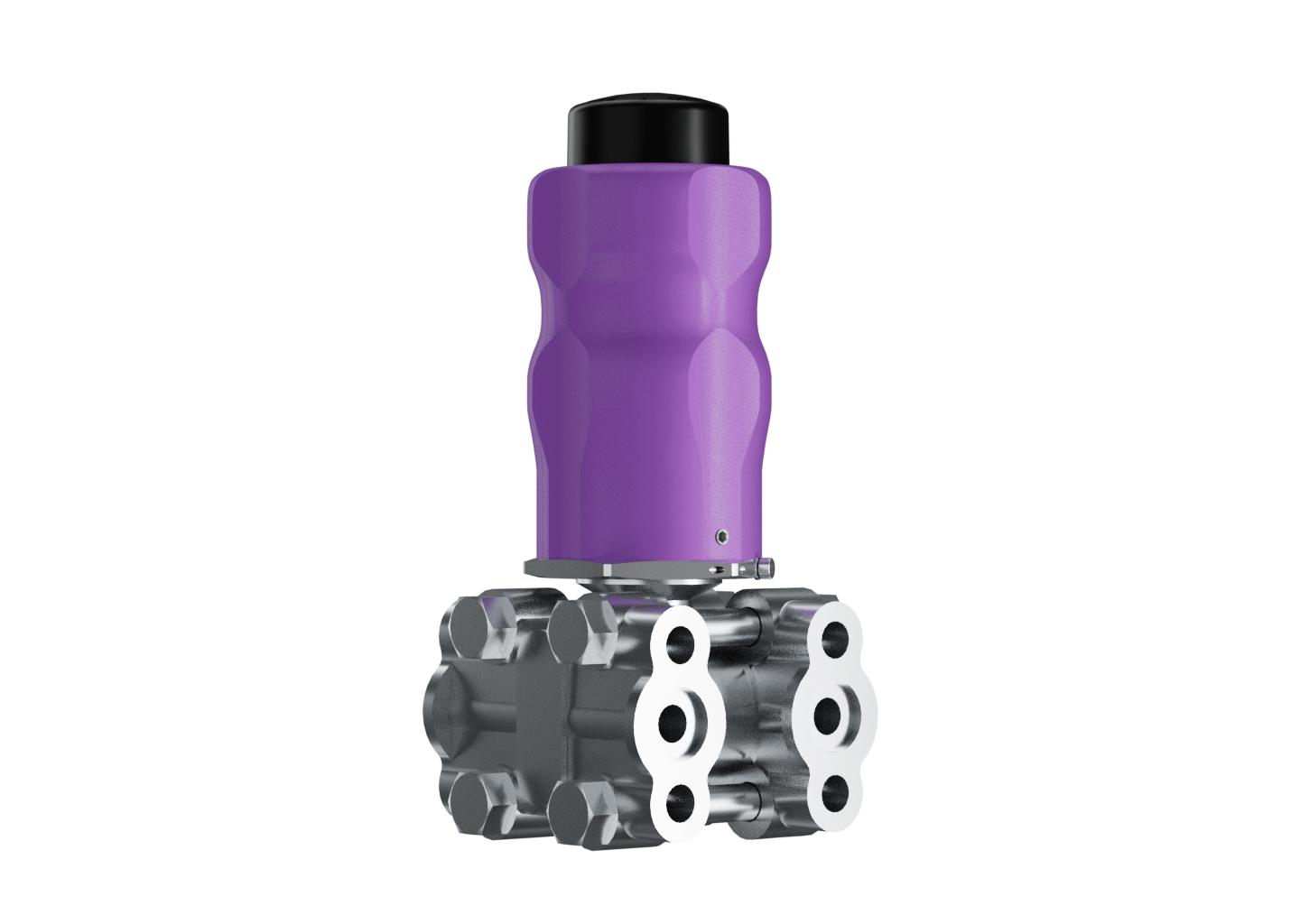
Differential Pressure (ΔP)
A compact DP solution using dual synchronized pressure inputs to deliver accurate differential pressure data for filters, heat exchangers, separators, and manifolds.
Vibration
A high-resolution vibration sensor built for predictive maintenance of pumps, motors, compressors, and rotating equipment.
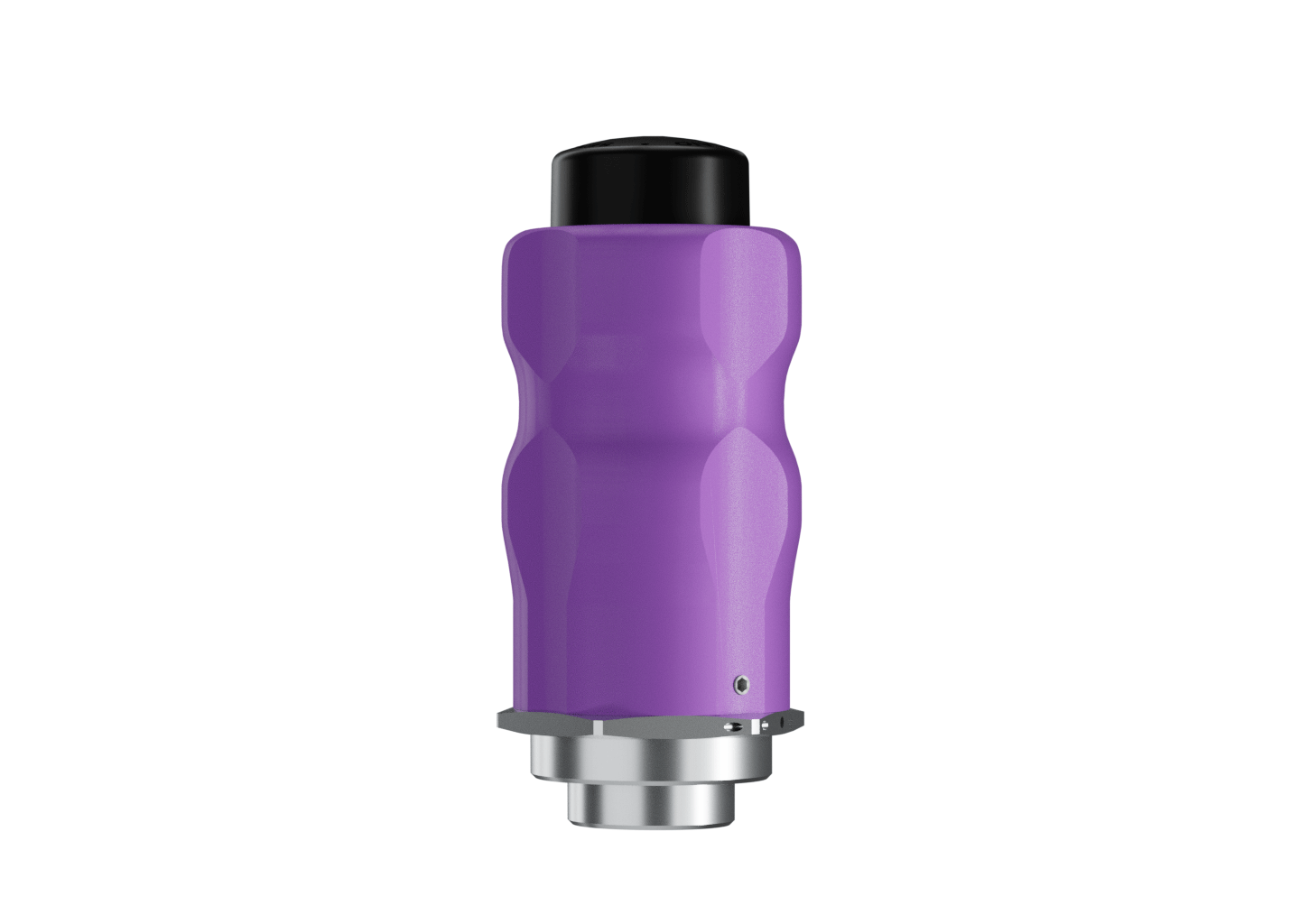
Acoustic
The Sensa iO acoustic sensor identifies ultrasonic leak signatures, gas escape, steam trap failures, and flare noise anomalies.
Trusted by a Worldwide Network
With partners in over 20 countries, Sensa IO delivers rugged sensor solutions to the toughest environments — everywhere.


