
Yes, they connect to any LoRaWAN or MQTT infrastructure (Kerlink, Cisco, Milesight, MultiTech, etc.) for flexible integration with existing SCADA systems.
< Industries/
midstream-oil-gas
Smart Monitoring for Midstream Oil & Gas — Safe, Efficient, and ATEX-Certified
Quick Overview
| Problem | Pipelines, compressor stations, and LNG terminals operate across vast, hazardous areas with limited visibility on critical equipment, creating high downtime and leak risks. |
| Solution | ATEX-certified wireless sensors (pressure, differential pressure, valve, vibration, temperature, acoustic) provide real-time data on pipeline integrity, filtration, and compressor performance. |
| Value | ↓ Downtime −35 % • ↑ Safety compliance • ROI < 12 months |
| ATEX | Zones 0–2 • Ex ia IIC T4 Gb certified sensors |
The Midstream Challenge
Midstream networks transport hydrocarbons over hundreds of kilometers through high-pressure pipelines, storage tanks, and compressor or pumping stations.
Even minor leaks or pressure drops can escalate into environmental and financial disasters.
Traditional monitoring is often fragmented — relying on SCADA alarms, manual sampling, or visual inspection.
The sector’s growing challenge:
how to maintain safe, continuous operations across remote assets — with fewer people on-site, stricter ATEX rules, and tighter ESG reporting.
Sensa.io provides a reliable answer: modular, ATEX-certified sensors that bring continuous visibility and predictive insights to every stage of midstream operations.
Why ATEX and Continuous Monitoring Are Critical 🔥 ATEX
Most midstream infrastructures operate inside ATEX Zones 1 and 2, where explosive gases or vapors may occur during normal service.
Electrical installations and wiring present ignition risks, especially in compressor rooms and LNG terminals.
Wireless, intrinsically safe sensors solve that problem.
They provide accurate, continuous monitoring without intrusive cabling or hot work, eliminating the need for frequent manual checks.
45 % of midstream leaks occur between inspection intervals — continuous sensing closes that gap completely.
Core Use Cases for
Midstream Oil & Gas
Use Case
Sensor Type
ATEX
ROI/Value
Pipeline Acoustic & Vibration Monitoring (Early Leak & Anomaly Detection) — ATEX
Acoustic
Vibration
Early anomaly alerts, reduces inspection frequency
Tank Farm Overfill & Pressure Monitoring (Storage Safety & Compliance) — ATEX
Pressure
Temperature
Prevents spills, meets HSE standards
Pig Launcher & Receiver Valve Status Monitoring (Operational Safety & Traceability) — ATEX
Valve position
Improves operational safety, traceability
Station Building HVAC ΔP & Air Quality Monitoring (Ventilation Safety & Compliance)
Differential Pressure (ΔP)
Temperature
Protects staff, ensures ventilation efficiency
Pipeline Pressure Profiling (Transient & Surge Detection) — ATEX
Pressure
Detects water hammer, prevents rupture
Pipeline Valve Automation & Position Feedback (Remote Isolation & Safety) — ATEX
Valve position
Enables remote isolation, improves safety
LNG Cryogenic Temperature Monitoring (Process Safety & Asset Integrity) — ATEX
Temperature
Prevents overpressure, ensures cryo integrity
Pump Station Differential Pressure Monitoring (Filter Clogging & Throughput Protection) — ATEX
Differential Pressure (ΔP)
Predicts maintenance, avoids throughput loss
Compressor Vibration Monitoring (Predictive Maintenance & Uptime) — ATEX
Vibration
Avoids breakdowns, reduces OPEX, improves uptime
Pipeline Leak Detection (Pressure & Acoustic Monitoring) — ATEX
Pressure
Acoustic
Early leak localization, prevents product loss & spills
Pipeline Leak Detection (Pressure & Acoustic Monitoring) — ATEX
Compressor Vibration Monitoring (Predictive Maintenance & Uptime) — ATEX
Pump Station Differential Pressure Monitoring (Filter Clogging & Throughput Protection) — ATEX
LNG Cryogenic Temperature Monitoring (Process Safety & Asset Integrity) — ATEX
Pipeline Valve Automation & Position Feedback (Remote Isolation & Safety) — ATEX
Pipeline Pressure Profiling (Transient & Surge Detection) — ATEX
Station Building HVAC ΔP & Air Quality Monitoring (Ventilation Safety & Compliance)
Pig Launcher & Receiver Valve Status Monitoring (Operational Safety & Traceability) — ATEX
Tank Farm Overfill & Pressure Monitoring (Storage Safety & Compliance) — ATEX
Pipeline Acoustic & Vibration Monitoring (Early Leak & Anomaly Detection) — ATEX
Vibration
Acoustic
Differential Pressure (ΔP)
Temperature
Pressure
Valve position
How Sensa.io Technology Works
| Open Wireless Architecture | All Sensa.io sensors are gateway-agnostic, compatible with any LoRaWAN, MQTT, or 4–20 mA infrastructure. They connect seamlessly to existing SCADA, DCS, or IoT platforms (Honeywell, Emerson, ABB, Schneider) without additional middleware. |
| Sensor Design |
|
| Data Analytics |
Each dataset is processed locally and transmitted securely to your SCADA or cloud dashboard. |
Proven ROI and Field Results
Operators who deployed Sensa.io in upstream fields typically achieved:
reduced from hours to minutes
Pipeline leak detection time
−35 %
Compressor downtime
−30 %
Maintenance cost reduction
Case Example
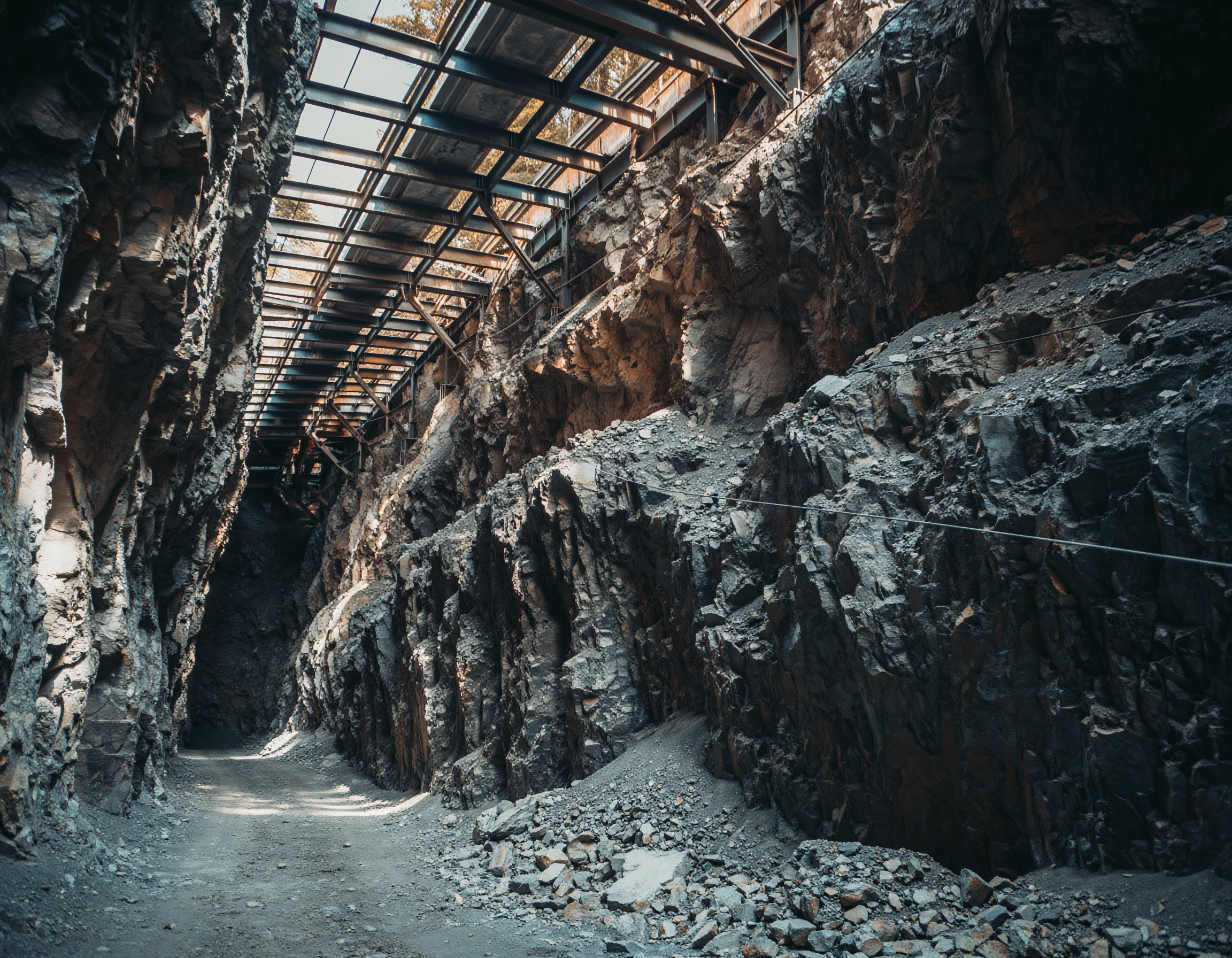
Acoustic & Vibration Detection of Rockfall or Structural Movement (Early Warning & Worker Protection)
Early warning to protect workers underground
Case Example
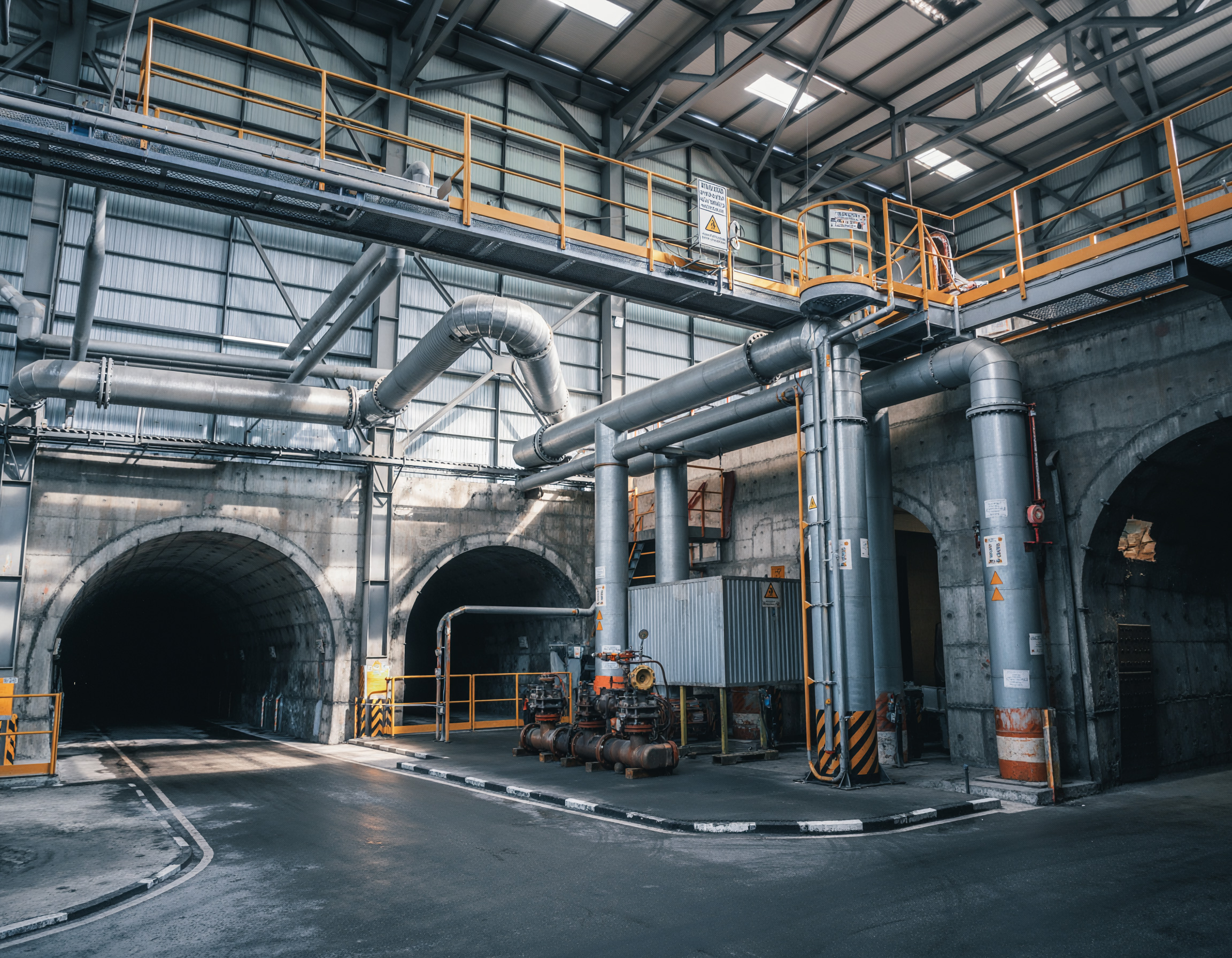
Gas Vent Line Acoustic & Pressure Anomaly Detection (Methane Hazard Early Warning)
Early detection of dangerous methane releases
ATEX Compliance and Safety
All Sensa.io sensors for upstream operations comply with:

- Ex II 2 G Ex ia IIC T4 Gb (Gas Zones 0–1)
- Ex ia IIIC T135 °C Db (Dust Zones 20–21)
- IECEx certification + ATEX Directive 2014/34/EU
Each unit is supplied with a Declaration of Conformity, calibration certificate, and maintenance interval guide.
Sensa.io ensures safe digitalisation of midstream assets while maintaining full regulatory compliance.
FAQ - Common Questions
Are Sensa.io sensors compatible with any gateway or network?
What ATEX certifications apply to Sensa.io devices?
All hazardous-area models are certified Ex II 2 G Ex ia IIC T4 Gb and IECEx approved for Zones 0–2.
What is the typical battery life?
Up to 10 years at 15-minute intervals, depending on signal strength and environment.
How are the sensors integrated into existing systems?
Through standard protocols — LoRaWAN, Modbus, MQTT, REST API — no proprietary middleware needed.
How does predictive maintenance reduce OPEX?
Early anomaly detection reduces emergency interventions by 30–40 %, extends equipment life and lowers energy costs.
General & Functionality
What is the typical ROI when deploying sensors in upstream production?
Depending on asset criticality and scope, operators generally achieve payback within 6 to 12 months, driven by reduced downtime, lower maintenance overhead, and improved safety compliance.
How are calibration and maintenance handled in ATEX zones?
Sensors are factory-calibrated and include internal digital calibration tables. No field recalibration is required for 5–10 years; visual inspection every 3 years is sufficient.
How are data transmissions secured in remote fields?
All data packets are encrypted end-to-end with AES-128, and communication can run over private LoRaWAN or VPN-secured 4G networks. This guarantees industrial-grade cybersecurity and compliance with IT/OT segmentation policies.
Can Sensa.io sensors monitor hydrate or wax formation in flowlines?
Yes. Temperature sensors placed along the flowline detect critical cooling patterns leading to hydrate or wax build-up. Real-time data allows proactive heating or chemical injection, avoiding costly blockages.
How does acoustic leak detection work in upstream applications?
Acoustic sensors detect high-frequency sound anomalies generated by gas or fluid leaks. When combined with pressure readings, they localise the leak within ±10 m, reducing detection time from hours to minutes.
Can sensors remain active during well interventions or shutdowns?
Yes. Thanks to intrinsically safe (Ex ia) design, sensors can operate continuously in Zone 0 even during interventions, without hot-work permits or risk of ignition.
How do pressure sensors resist sand abrasion and high vibration in wellheads?
Each pressure module uses 316L stainless-steel diaphragms and vibration-proof electronics (rated up to 20 g RMS) with conformal coating. This ensures long-term stability in abrasive and high-shock environments typical of wellhead zones.
How does predictive maintenance with Sensa.io actually reduce OPEX?
By analysing vibration, pressure, or ΔP trends, the system detects anomalies before they escalate. This reduces emergency interventions by 30–40 %, extends equipment lifetime, and lowers energy consumption by 10–15 %.
How can Sensa.io sensors be integrated into our SCADA or DCS system?
Integration is immediate through standard industrial protocols: LoRaWAN, Modbus RTU/TCP, MQTT, or REST API. Data can feed directly into Honeywell, Emerson, Schneider, or ABB SCADA platforms without middleware.
How long do the batteries last in upstream operations?
Up to 10 years depending on the transmission interval and signal quality. The adaptive power management system automatically adjusts the sending frequency according to the measured parameter’s variability.
What ATEX certifications cover Sensa.io sensors?
All hazardous-area models are certified Ex II 2 G Ex ia IIC T4 Gb (Gas Zones 0–2) and Ex ia IIIC T135°C Db (Dust Zones 20–21). They are also IECEx approved and comply with the European Directive 2014/34/EU.
Are Sensa.io sensors compatible with any LoRaWAN gateway or network?
Yes. Sensa.io sensors are fully gateway-agnostic and connect seamlessly to any LoRaWAN or MQTT-compatible infrastructure — including Kerlink, Cisco, Milesight, MultiTech, or private industrial networks. This ensures flexible integration with existing SCADA or IoT systems.
Specific Technical Questions/
Midstream Oil & Gas
What is the typical ROI for a midstream deployment?
Between 6 and 12 months depending on network length and asset criticality; long pipelines show faster returns due to higher leak cost avoidance.
Can these sensors operate in LNG cryogenic applications?
Yes, temperature and pressure sensors are rated down to –196 °C with PTFE-sealed electronics and cryogenic-grade connectors.
What maintenance is required for filters and compressors?
Data-driven maintenance replaces fixed schedules; alerts are triggered by ΔP or vibration threshold breach, reducing manual inspections by 50 %.
How are long-distance networks managed?
LoRaWAN coverage up to 10 km line-of-sight; for larger areas, multiple gateways mesh the network automatically.
Do they interfere with cathodic protection systems?
No. All units are electrically isolated and conformally coated to avoid currents or corrosion effects.
Can the sensors withstand pipeline vibration and temperature fluctuations?
Yes, rated for –40 °C to +85 °C and vibration up to 20 g; sealed IP68 design prevents water ingress and condensation.
How precise is the acoustic leak localisation along pipelines?
Correlation between acoustic and pressure data pinpoints the leak within ±10 m over several kilometres of pipeline.
Trusted by a Worldwide Network
With partners in over 20 countries, Sensa IO delivers rugged sensor solutions to the toughest environments — everywhere.


