
Yes, they connect to any LoRaWAN or MQTT infrastructure (Kerlink, Cisco, Milesight, MultiTech, etc.) for flexible integration with existing SCADA systems.
Grain Silo Temperature Monitoring (Fire, Spoilage & Loss Prevention)
Prevents fermentation & fire
Temperature
Quick Overview
| Problem | Stored grain is highly sensitive to temperature rise caused by moisture pockets, biological activity, or poor ventilation. Undetected hotspots can lead to spoilage, mould development, insect proliferation, or silo fires—often discovered too late during manual inspections. |
| Solution | Sensa.io’s wireless temperature sensors continuously monitor grain silo temperature profiles, detecting hotspots early and enabling proactive aeration or unloading actions. |
| Value | Reduced spoilage • Fire risk prevention • Preserved grain quality • Lower insurance and loss costs |
| ATEX | Grain silos may fall under ATEX Dust Zones; ATEX-certified temperature sensor variants available (Zone 20–22) |
The Operational Challenge
Grain silos are used to store wheat, corn, barley, soy, and other cereals over long periods.
Key risk factors include:
- Moisture migration inside the grain mass
- Biological respiration generating heat
- Poor airflow or blocked aeration ducts
- Seasonal temperature fluctuations
Typical problems faced by operators:
- Localised heating invisible from the surface
- Condensation zones leading to mould growth
- Insect infestation accelerated by warmth
- Smouldering grain or dust ignition
Traditional monitoring methods rely on:
- Manual probing or handheld thermometers
- Visual inspection of exhaust air
- Reactive action after odour or smoke appears
These methods provide limited spatial and temporal visibility.
Why Continuous Temperature Monitoring Matters
Temperature is the earliest indicator of grain degradation.
Continuous monitoring enables operators to:
- Detect hotspots before spoilage spreads
- Activate aeration only when needed
- Prevent spontaneous combustion
- Preserve grain quality and market value
Even a few degrees of abnormal temperature rise can signal serious storage issues.
Sensa.io Solution
Sensa.io delivers a wireless grain silo temperature monitoring solution designed for agricultural storage environments.
Core Components
Temperature Sensor
High-accuracy sensor suitable for grain mass, silo walls, or aeration ducts.
Wireless Communication
Supports LoRaWAN, Modbus, and MQTT, ideal for large farms and remote storage sites.
Installation & Power
Battery-powered installation — no cabling, suitable for retrofit on existing silos.
Operational Benefits
- Early detection of hotspots
- Reduced spoilage and waste
- Improved fire prevention
- Optimised aeration energy use
Results and ROI
ATEX Compliance and Safety
When required, Sensa.io temperature sensors comply with:

- ATEX Directive 2014/34/EU
- Ex ia IIIC T135°C Db (Dust Zones 20–22)
- IECEx certification for combustible dust
Intrinsically safe design supports installation inside or near grain silos without ignition risk.
Integration and compatibility
| Protocols | LoRaWAN, Modbus RTU/TCP, MQTT, REST API |
| Systems | Farm management platforms, grain storage dashboards |
| Deployment | On-farm or centralised monitoring |
| Cybersecurity | AES-128 encrypted communication |
FAQ - Common Questions
Are Sensa.io sensors compatible with any gateway or network?
What ATEX certifications apply to Sensa.io devices?
All hazardous-area models are certified Ex II 2 G Ex ia IIC T4 Gb and IECEx approved for Zones 0–2.
What is the typical battery life?
Up to 10 years at 15-minute intervals, depending on signal strength and environment.
How are the sensors integrated into existing systems?
Through standard protocols — LoRaWAN, Modbus, MQTT, REST API — no proprietary middleware needed.
How does predictive maintenance reduce OPEX?
Early anomaly detection reduces emergency interventions by 30–40 %, extends equipment life and lowers energy costs.
What does the Sensa.io Valve Position Sensor actually measure?
The device detects real-time valve position states—open, closed, or intermediate—with high accuracy. It continuously sends this information wirelessly to your monitoring dashboard.
Can this sensor detect partial valve movement or stuck valves?
Yes. The sensor identifies irregular patterns such as partial movement, delayed response, or stuck valves, enabling early maintenance before failure occurs.
Is this sensor suitable for manual, motorized, and actuated valves?
Yes. It supports a wide range of valve types including ball, gate, butterfly, actuator-driven, and manual valves.
How fast does it update the valve position?
You can configure the reporting interval—from seconds to minutes—depending on your operational and battery needs.
How long does installation take?
Most installations take under 10 minutes. The sensor mounts using brackets or clamps without modifying existing valves.

Explore Our Sensors
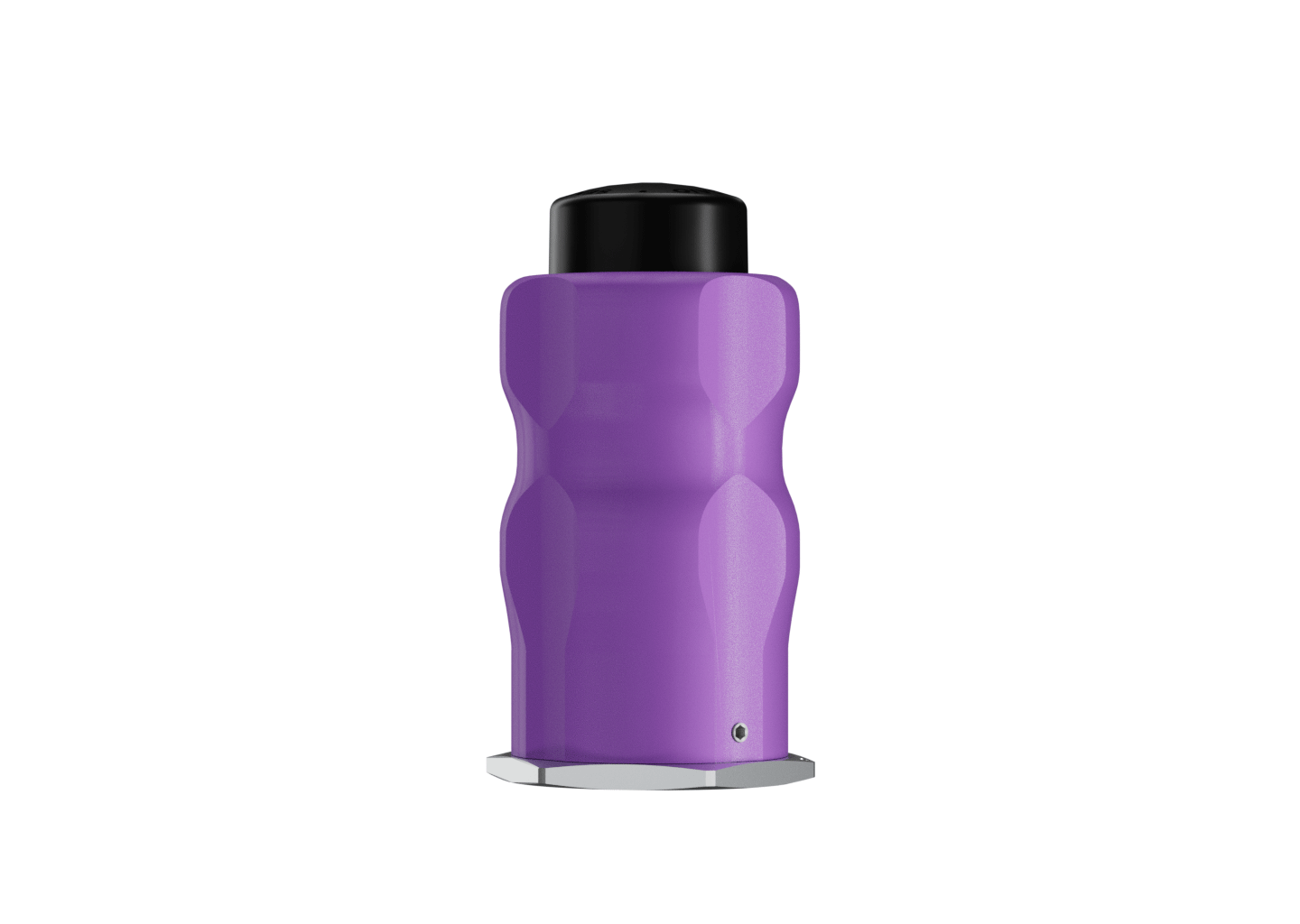
Valve position
The Sensa iO Valve Position Sensor provides real-time open/close feedback for manual and automated valves in oil & gas, chemical, and hydrogen operations.
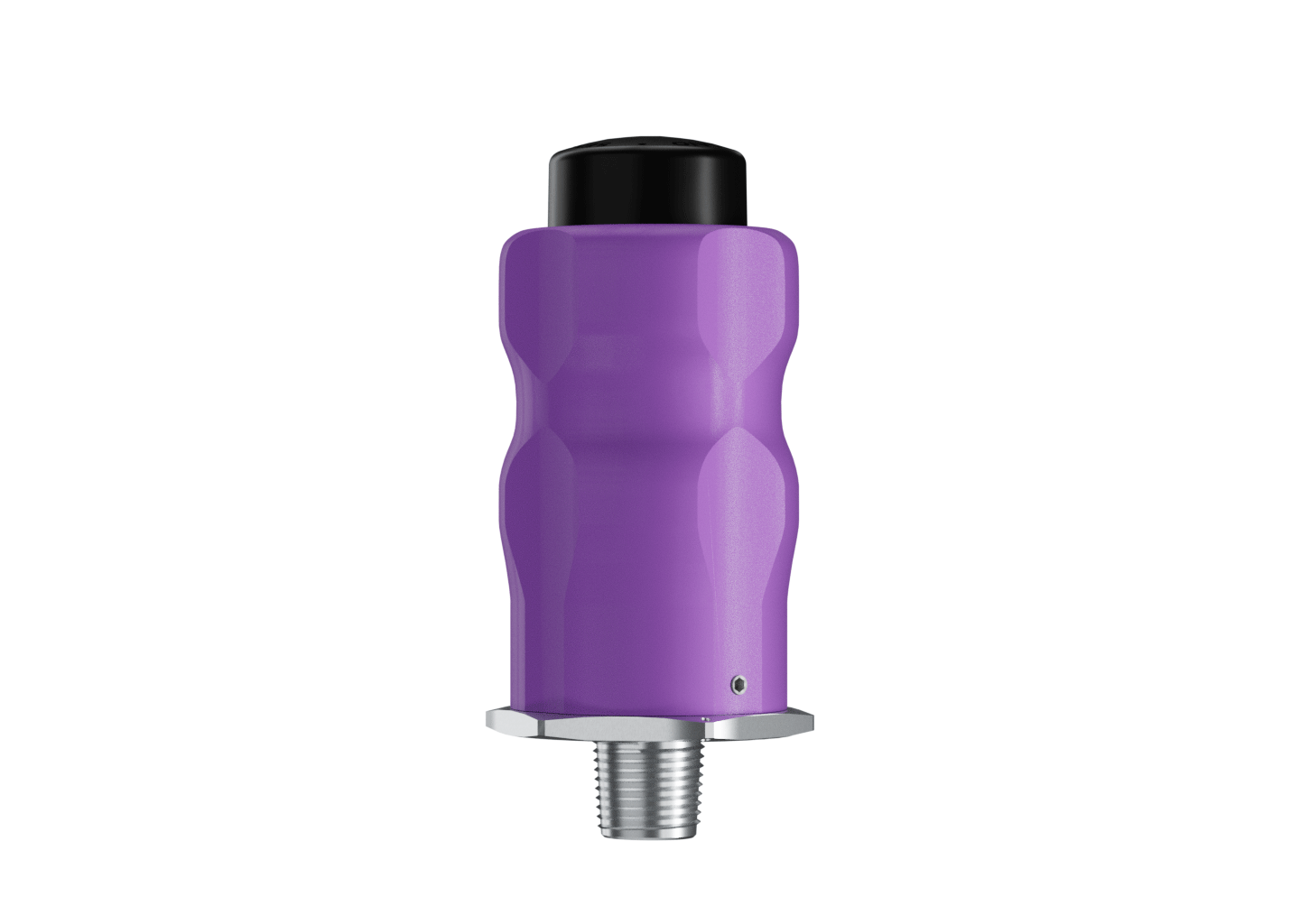
Pressure
A rugged, industrial-grade pressure sensor designed for high-demand oil & gas applications. Provides continuous gas and liquid pressure monitoring, with ATEX intrinsic safety, IP67 housing, and LoRaWAN® connectivity.
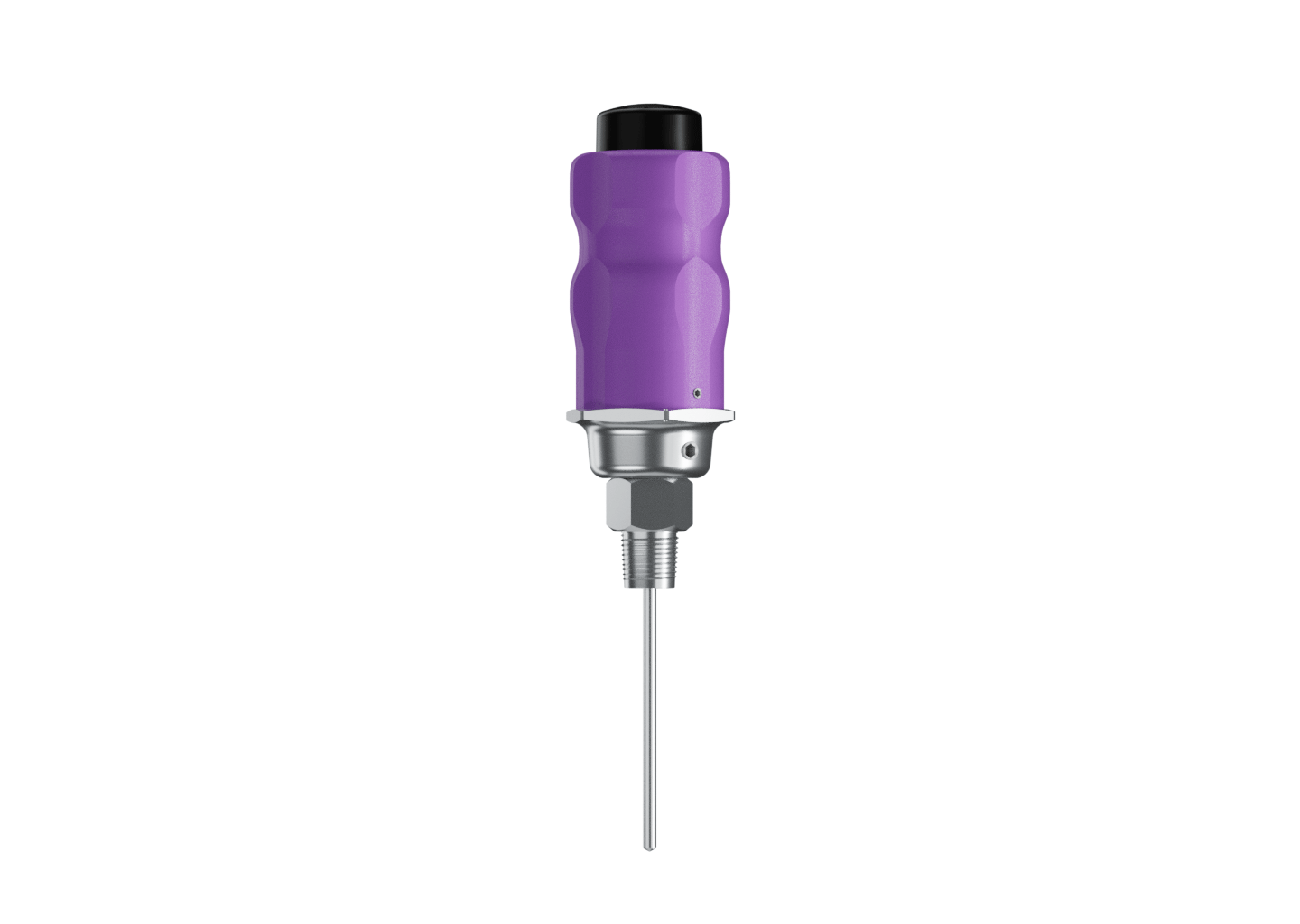
Temperature
Sensa iO’s temperature sensor delivers precise temperature data for process lines, steam systems, heat exchangers, and storage assets.
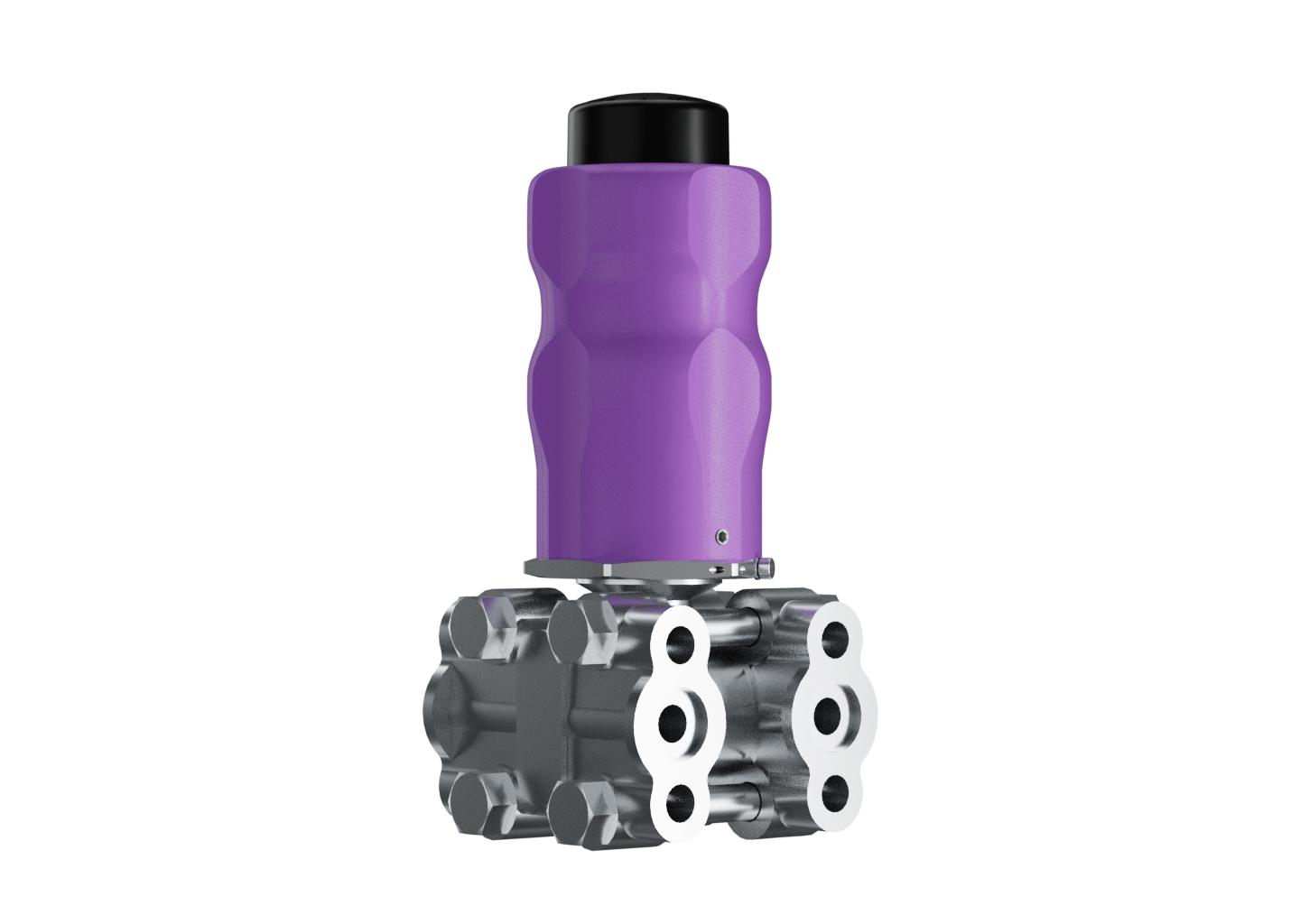
Differential Pressure (ΔP)
A compact DP solution using dual synchronized pressure inputs to deliver accurate differential pressure data for filters, heat exchangers, separators, and manifolds.
Vibration
A high-resolution vibration sensor built for predictive maintenance of pumps, motors, compressors, and rotating equipment.
Acoustic
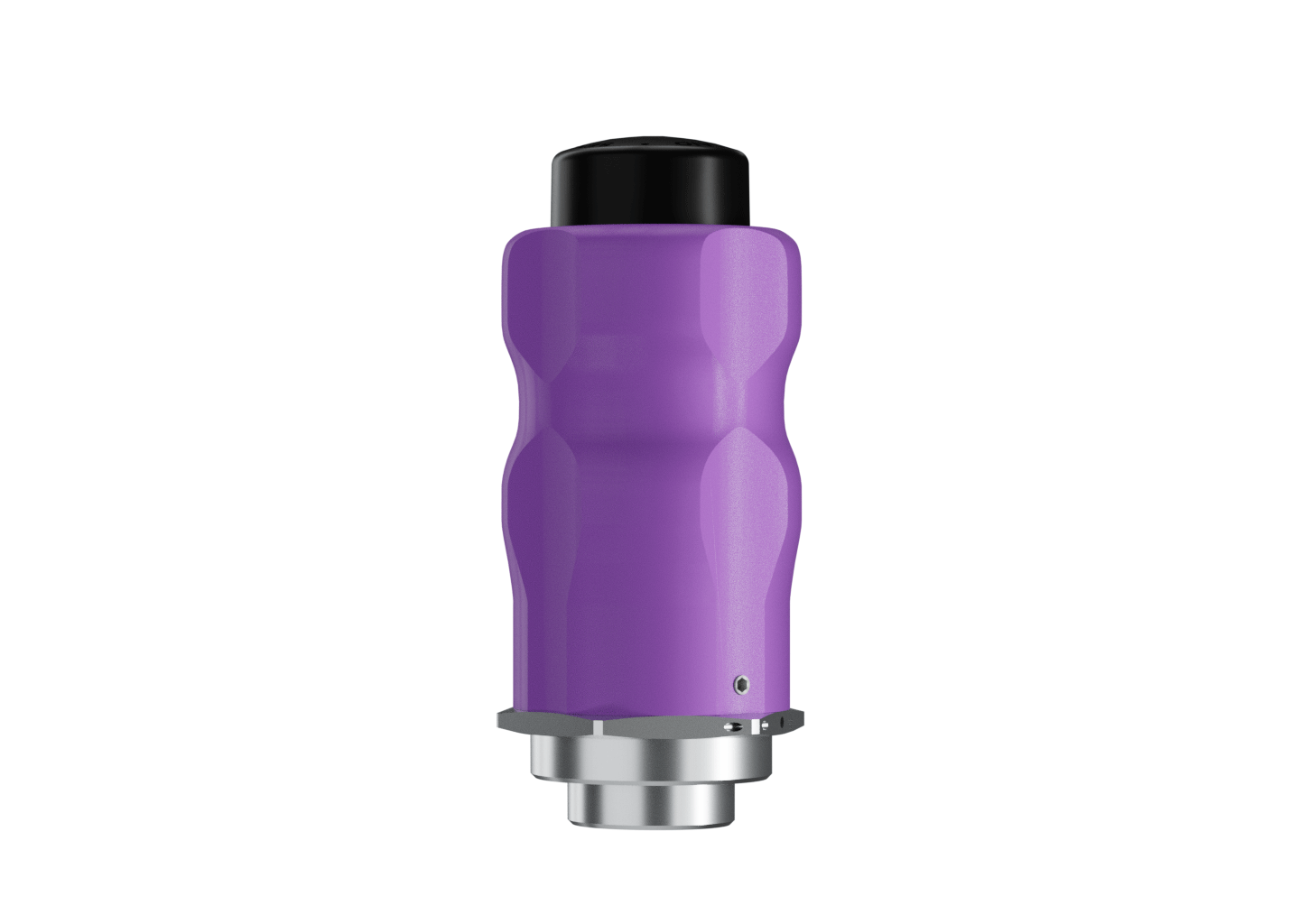
The Sensa iO acoustic sensor identifies ultrasonic leak signatures, gas escape, steam trap failures, and flare noise anomalies.
Trusted by a Worldwide Network
With partners in over 20 countries, Sensa IO delivers rugged sensor solutions to the toughest environments — everywhere.


