
Yes, they connect to any LoRaWAN or MQTT infrastructure (Kerlink, Cisco, Milesight, MultiTech, etc.) for flexible integration with existing SCADA systems.
Gas & Water Injection Pressure Monitoring (Reservoir Integrity & Control) — ATEX
Maximizes reservoir efficiency, reduces over-injection risk
Pressure
Temperature
Quick Overview
| Problem | Uncontrolled gas or water injection pressure can damage reservoirs, fracture formations, or compromise well integrity. Manual checks and periodic measurements provide limited control and expose personnel in hazardous injection environments. |
| Solution | SENSAiO’s ATEX-certified wireless pressure sensors provide continuous monitoring of injection pressures, enabling precise control, early anomaly detection, and safer reservoir management. |
| Value | Improved reservoir integrity • Stable injection control • Reduced intervention risk • Lower HSE exposure |
| ATEX | Zones 0–2 • Ex ia IIC T4 Gb certified pressure sensors |
The Operational Challenge
Gas and water injection are critical processes used to maintain reservoir pressure, enhance recovery, or manage produced water disposal.Injection pressure must remain within strict operational envelopes to avoid formation damage, unintended fracturing, or loss of zonal isolation.
Industry practices and reservoir management guidelines indicate that excessive or unstable injection pressure may result in:
- Formation fracturing and loss of injectivity control
- Communication between reservoir layers
- Casing or tubing stress
- Long-term reservoir damage reducing recovery factor
In many upstream assets, injection pressure monitoring relies on:
- Manual gauge readings at injection wellheads
- Periodic pressure surveys during injection tests
- Limited instrumentation on selected injection wells
These methods are:
- Operationally risky, requiring frequent field visits in ATEX zones
- Discontinuous, missing transient overpressure events
- Reactive, detecting issues after injectivity loss occurs
As injection campaigns scale across large well populations, lack of continuous pressure visibility increases both technical and HSE risk.
Why Continuous Injection Pressure Monitoring Matters
Injection pressure is one of the primary indicators of reservoir and well health.
Pressure trends reveal:
- Changes in injectivity or formation resistance
- Progressive plugging or scaling
- Early signs of formation fracture initiation
- Abnormal pressure build-up indicating flow restriction or valve malfunction
Unlike isolated measurements, continuous pressure monitoring captures rate-of-change and transient behaviour, which are essential for safe injection control.
Continuous data enables operators to:
- Maintain injection pressure within defined operating windows
- Adjust injection strategy proactively
- Protect reservoir integrity over the long term
When combined with temperature or valve position monitoring, injection pressure data supports a closed-loop injection control strategy.
SENSAiO Solution
SENSAiO provides a wireless, intrinsically safe pressure monitoring solution tailored for gas and water injection operations.
Core Components
Pressure Sensor (ATEX Ex ia IIC T4 Gb)
Designed for continuous pressure monitoring on injection wellheads, flowlines, or manifolds.The sensor housing is suitable for corrosive fluids, hydrocarbons, and outdoor environments.
Wireless Communication
Supports LoRaWAN, Modbus, and MQTT, ensuring seamless integration into existing SCADA, reservoir management, or injection control systems.
Installation & Power
Battery-powered and non-intrusive installation without hot work or production interruption, enabling rapid deployment across injection well networks.
Operational Benefits
- Continuous visibility of injection pressure
- Early detection of overpressure or injectivity loss
- Reduced need for manual pressure checks
- Improved safety in ATEX-classified areas
Results and ROI
ATEX Compliance and Safety
All pressure sensors used for injection monitoring comply with:

- Ex II 2 G Ex ia IIC T4 Gb (Zones 0–2)
- IECEx certification
- ATEX Directive 2014/34/EU
Sensors are suitable for installation on live injection wells and are delivered with complete ATEX documentation to support HSE and regulatory audits.
Integration and compatibility
| Protocols | LoRaWAN, Modbus RTU/TCP, MQTT, REST API |
| Systems | SCADA, reservoir management platforms, DCS |
| Vendors | Honeywell, ABB, Emerson, Schneider |
| Cybersecurity | AES-128 encrypted transmission with VPN-secured links |
FAQ - Common Questions
Are Sensa.io sensors compatible with any gateway or network?
What ATEX certifications apply to Sensa.io devices?
All hazardous-area models are certified Ex II 2 G Ex ia IIC T4 Gb and IECEx approved for Zones 0–2.
What is the typical battery life?
Up to 10 years at 15-minute intervals, depending on signal strength and environment.
How are the sensors integrated into existing systems?
Through standard protocols — LoRaWAN, Modbus, MQTT, REST API — no proprietary middleware needed.
How does predictive maintenance reduce OPEX?
Early anomaly detection reduces emergency interventions by 30–40 %, extends equipment life and lowers energy costs.
What does the Sensa.io Valve Position Sensor actually measure?
The device detects real-time valve position states—open, closed, or intermediate—with high accuracy. It continuously sends this information wirelessly to your monitoring dashboard.
Can this sensor detect partial valve movement or stuck valves?
Yes. The sensor identifies irregular patterns such as partial movement, delayed response, or stuck valves, enabling early maintenance before failure occurs.
Is this sensor suitable for manual, motorized, and actuated valves?
Yes. It supports a wide range of valve types including ball, gate, butterfly, actuator-driven, and manual valves.
How fast does it update the valve position?
You can configure the reporting interval—from seconds to minutes—depending on your operational and battery needs.
How long does installation take?
Most installations take under 10 minutes. The sensor mounts using brackets or clamps without modifying existing valves.
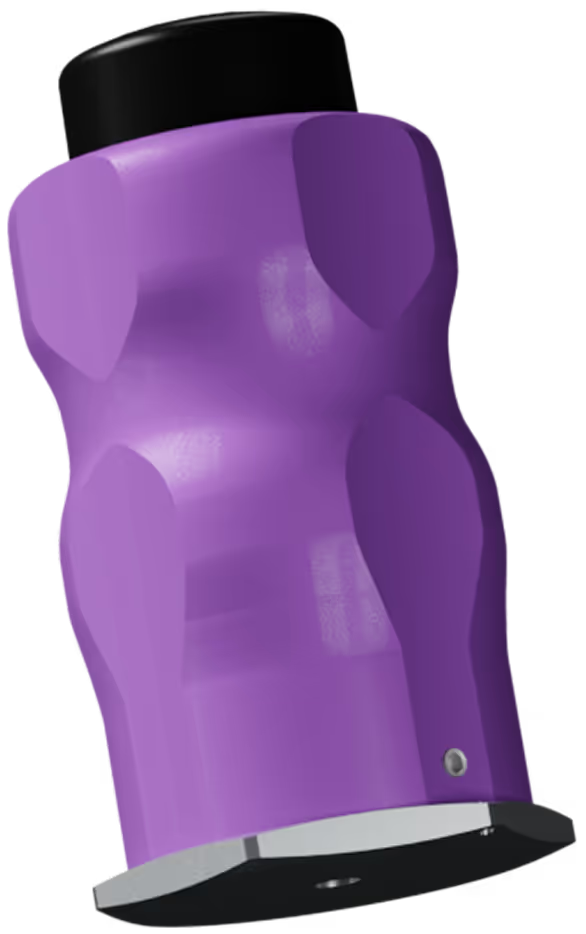
Explore Our Sensors
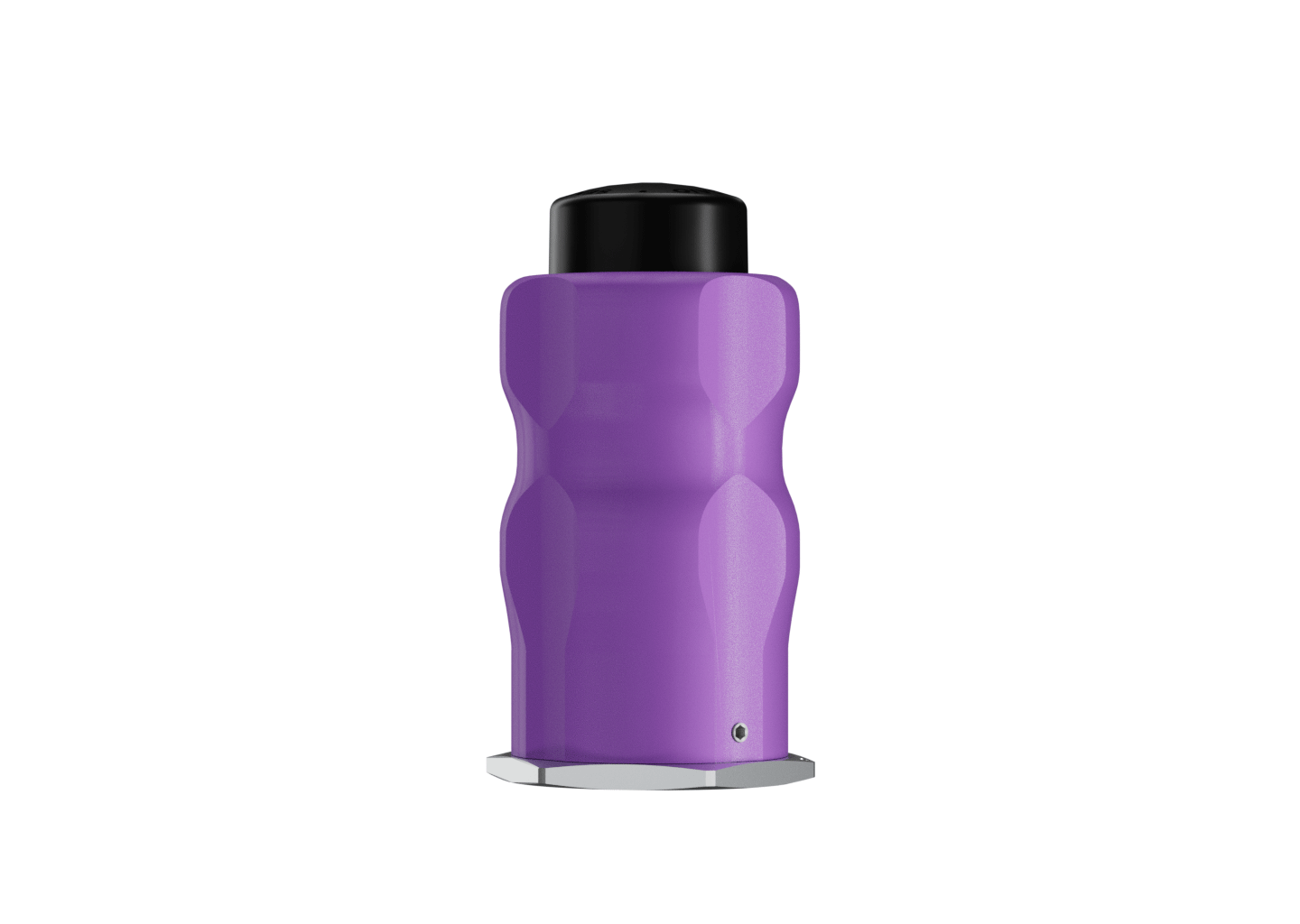
Valve position
The Sensa iO Valve Position Sensor provides real-time open/close feedback for manual and automated valves in oil & gas, chemical, and hydrogen operations.
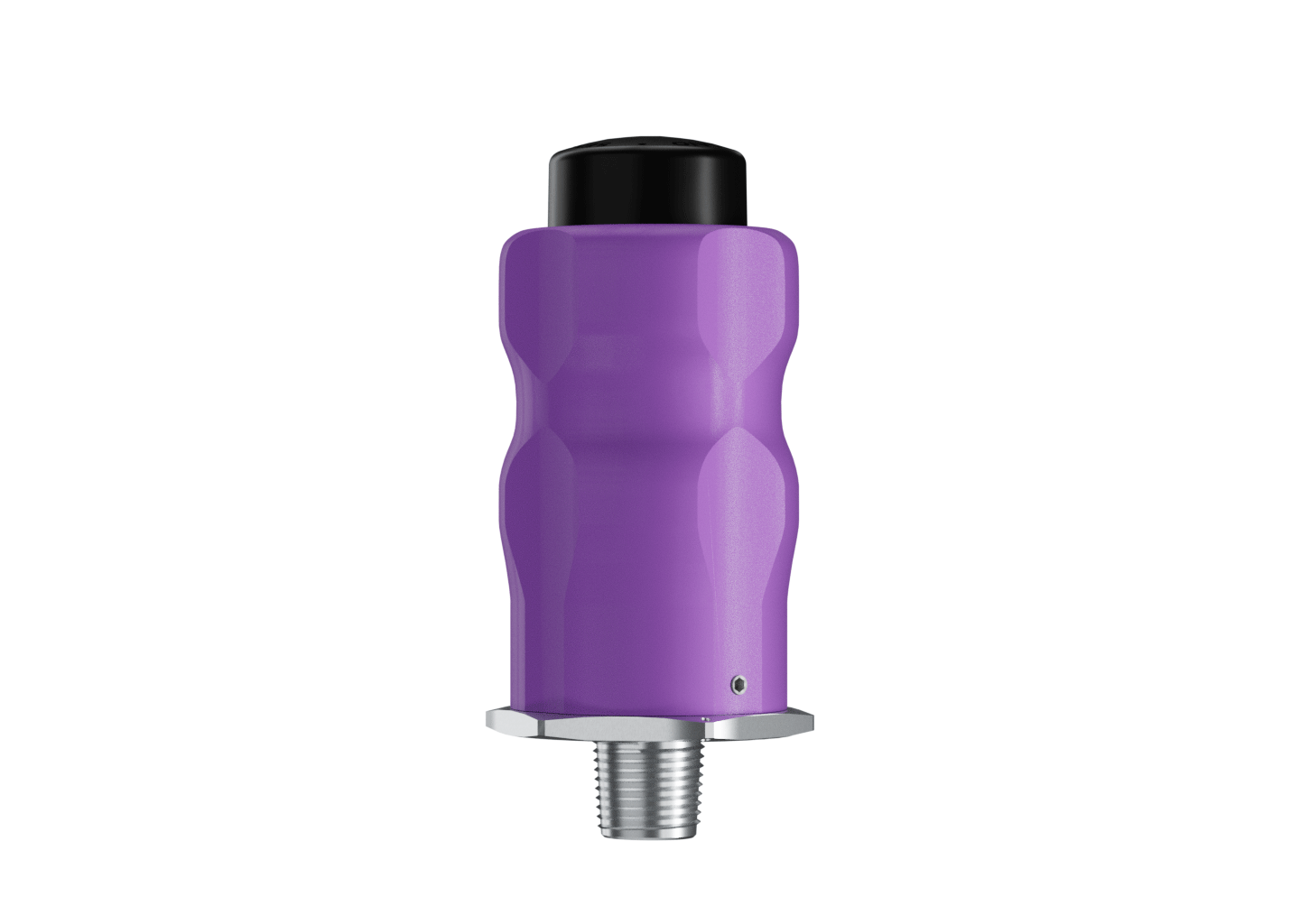
Pressure
A rugged, industrial-grade pressure sensor designed for high-demand oil & gas applications. Provides continuous gas and liquid pressure monitoring, with ATEX intrinsic safety, IP67 housing, and LoRaWAN® connectivity.
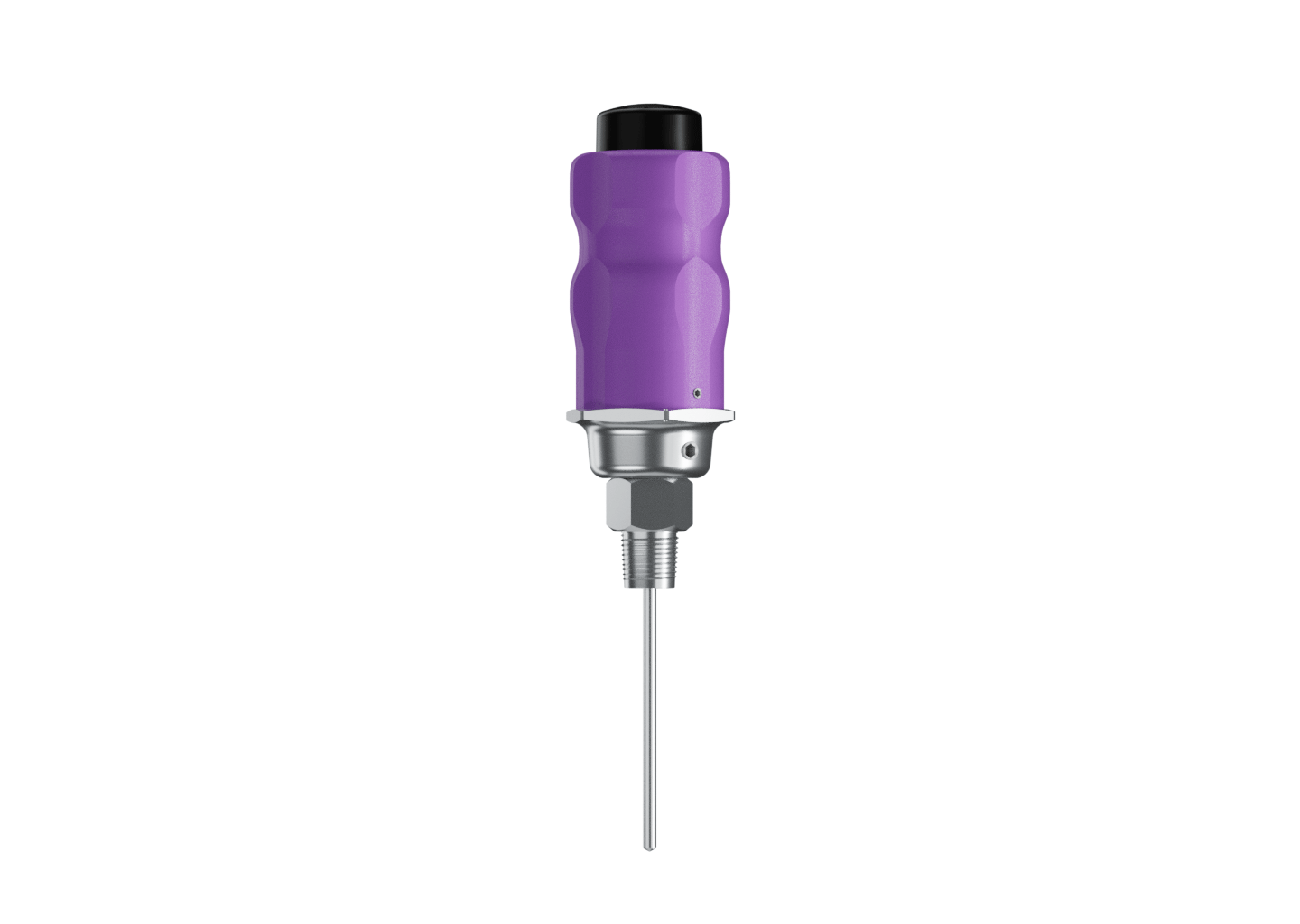
Temperature
Sensa iO’s temperature sensor delivers precise temperature data for process lines, steam systems, heat exchangers, and storage assets.
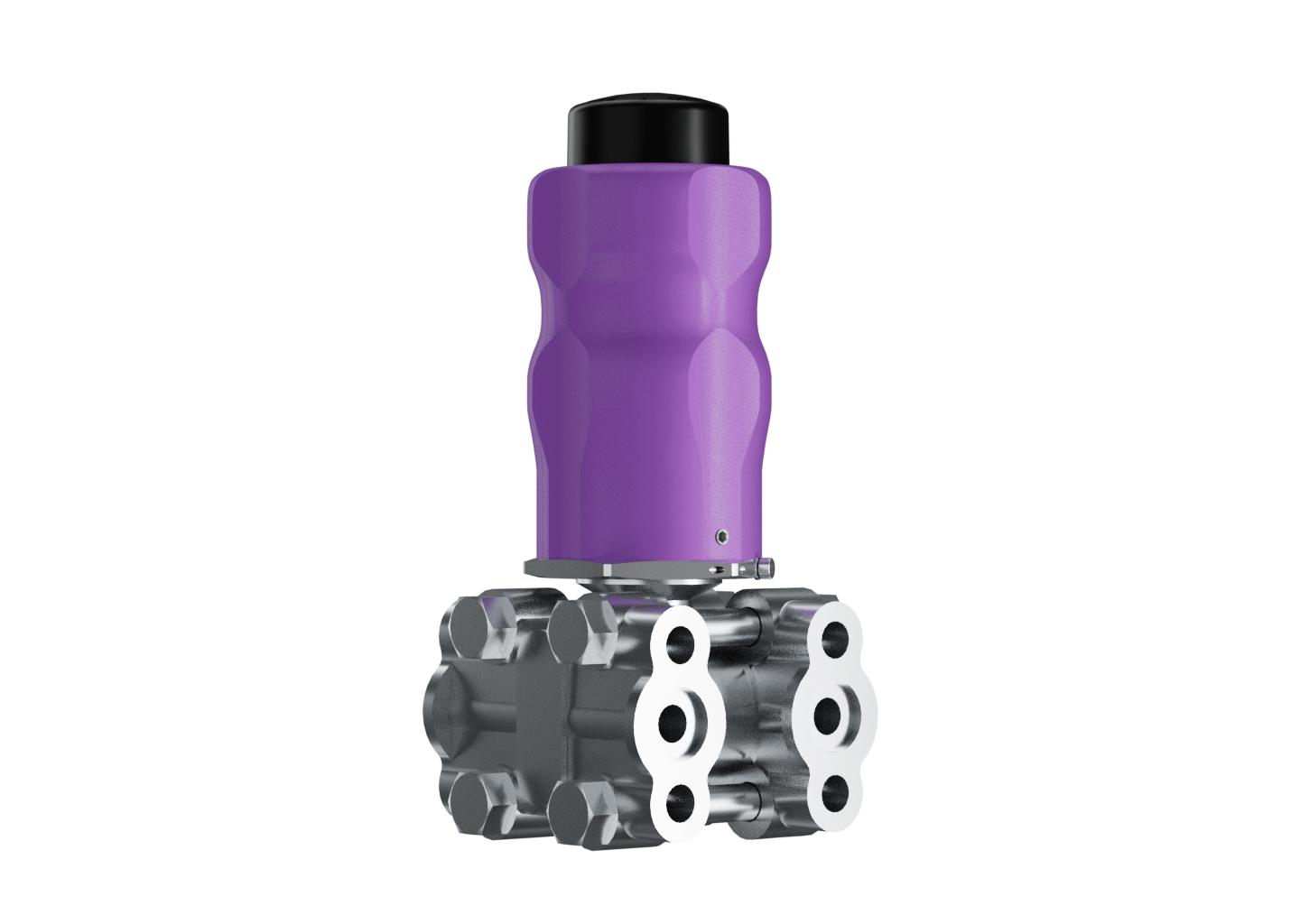
Differential Pressure (ΔP)
A compact DP solution using dual synchronized pressure inputs to deliver accurate differential pressure data for filters, heat exchangers, separators, and manifolds.
Vibration
A high-resolution vibration sensor built for predictive maintenance of pumps, motors, compressors, and rotating equipment.
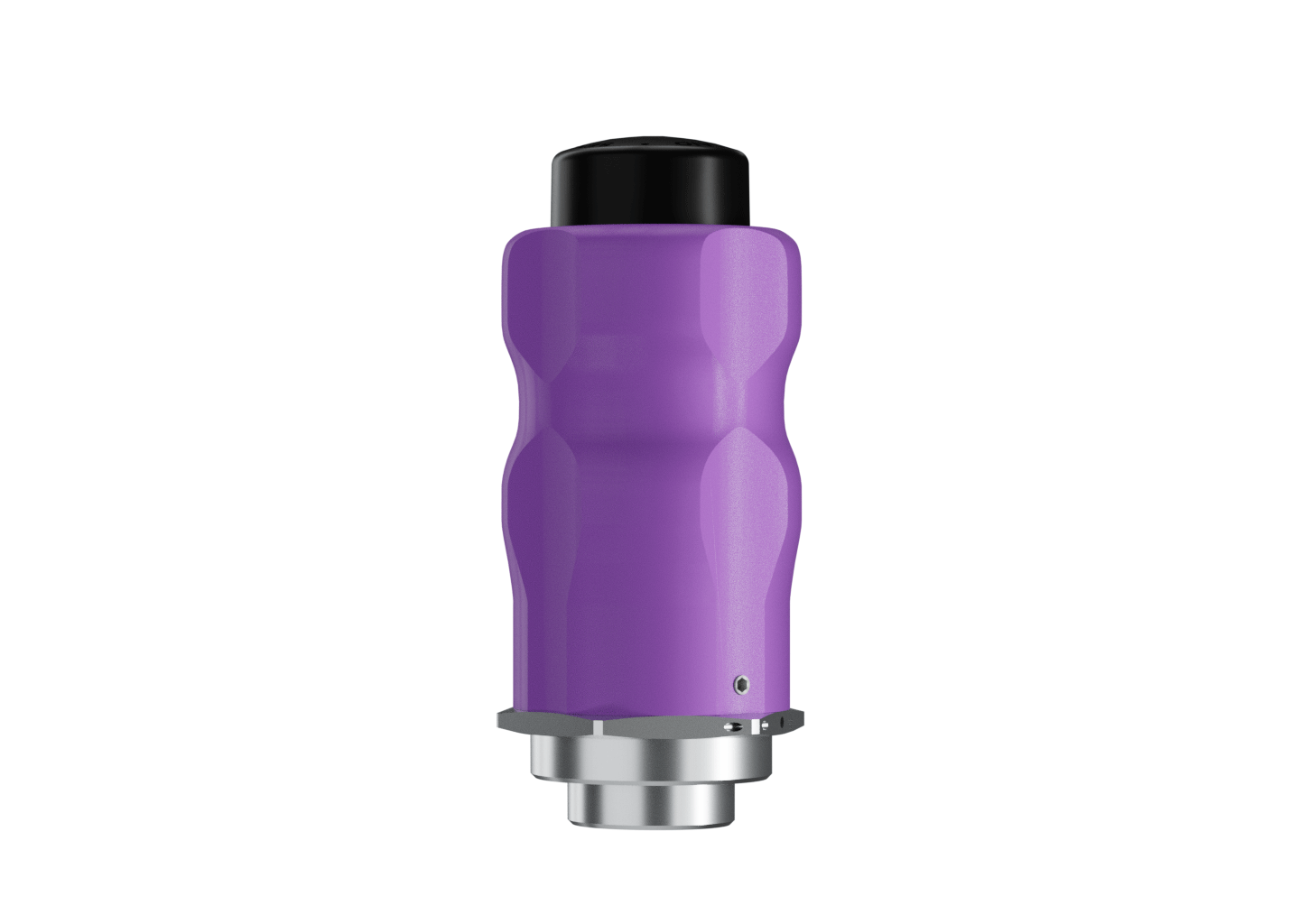
Acoustic
The Sensa iO acoustic sensor identifies ultrasonic leak signatures, gas escape, steam trap failures, and flare noise anomalies.
Trusted by a Worldwide Network
With partners in over 20 countries, Sensa IO delivers rugged sensor solutions to the toughest environments — everywhere.


