
Yes, they connect to any LoRaWAN or MQTT infrastructure (Kerlink, Cisco, Milesight, MultiTech, etc.) for flexible integration with existing SCADA systems.
Flare & Vent Line Acoustic Monitoring for Early Leak and Blockage Detection — ATEX
Detects leaks or unauthorized venting, improves safety
Acoustic
Quick Overview
| Problem | Flare and vent systems are critical safety assets designed to safely relieve overpressure and manage hydrocarbons during abnormal conditions. Blockages, leaks, or valve malfunctions often go undetected because these systems are rarely active. Manual inspections are infrequent and expose personnel to high-risk ATEX environments. |
| Solution | SENSAiO’s ATEX-certified acoustic sensors continuously monitor flare and vent lines, detecting abnormal sound signatures associated with leaks, partial blockages, valve chatter, or unexpected flow — even when systems are idle. |
| Value | Early fault detection • Improved flare readiness • Reduced safety risk • Lower inspection cost |
| ATEX | Zones 0–2 • Ex ia IIC T4 Gb certified acoustic sensors |
The Operational Challenge
Flare and vent networks are typically passive systems, activated only during upsets or maintenance activities. Their reliability is assumed — not continuously verified.
Common risks include:
- Internal corrosion or debris causing partial blockage
- Stuck or leaking relief valves
- Unauthorised or continuous venting
- Ice or hydrate formation in cold climates
Traditional monitoring relies on:
- Periodic visual inspection
- Pressure indication only during activation
- Manual walkdowns during audits
This creates blind spots where failures remain hidden until the system is needed — when failure consequences are severe.
Why Acoustic Monitoring Matters
Acoustic signatures provide a direct indicator of flow and mechanical behaviour inside flare and vent lines.
Continuous acoustic monitoring allows operators to:
- Detect low-rate leaks not visible externally
- Identify partial blockages before full restriction
- Verify relief valve integrity and seating
- Confirm flare line readiness at all times
Abnormal sound patterns often precede:
- Overpressure protection failure
- Uncontrolled emissions
- Regulatory non-compliance
Real-time acoustic insight transforms flare systems from “assumed safe” to “verified safe”.
SENSAiO Solution
SENSAiO delivers a wireless, intrinsically safe acoustic monitoring solution purpose-built for flare and vent systems.
Core Components
Acoustic Sensor (ATEX Ex ia IIC T4 Gb)
High-sensitivity acoustic detection capable of identifying gas flow, turbulence, and mechanical anomalies.
Wireless Communication
LoRaWAN, Modbus, and MQTT support for seamless integration with control and safety systems.
Installation & Power
Clamp-on, non-intrusive installation. Battery-powered with no hot work or process interruption.
Operational Benefits
- Continuous verification of flare system integrity
- Early warning of leaks or obstructions
- Reduced manual inspections
- Improved safety assurance in ATEX zones
Results and ROI
ATEX Compliance and Safety
All acoustic sensors comply with:

- Ex II 2 G Ex ia IIC T4 Gb (Zones 0–2)
- IECEx certification
- ATEX Directive 2014/34/EU
Sensors can be installed on live flare and vent systems without shutdown.
Integration and compatibility
| Protocols | LoRaWAN, Modbus RTU/TCP, MQTT, REST API |
| Systems | SCADA, DCS, safety management platforms |
| Vendors | Honeywell, ABB, Emerson, Schneider |
| Cybersecurity | AES-128 encrypted communication |
FAQ - Common Questions
Are Sensa.io sensors compatible with any gateway or network?
What ATEX certifications apply to Sensa.io devices?
All hazardous-area models are certified Ex II 2 G Ex ia IIC T4 Gb and IECEx approved for Zones 0–2.
What is the typical battery life?
Up to 10 years at 15-minute intervals, depending on signal strength and environment.
How are the sensors integrated into existing systems?
Through standard protocols — LoRaWAN, Modbus, MQTT, REST API — no proprietary middleware needed.
How does predictive maintenance reduce OPEX?
Early anomaly detection reduces emergency interventions by 30–40 %, extends equipment life and lowers energy costs.
What does the Sensa.io Valve Position Sensor actually measure?
The device detects real-time valve position states—open, closed, or intermediate—with high accuracy. It continuously sends this information wirelessly to your monitoring dashboard.
Can this sensor detect partial valve movement or stuck valves?
Yes. The sensor identifies irregular patterns such as partial movement, delayed response, or stuck valves, enabling early maintenance before failure occurs.
Is this sensor suitable for manual, motorized, and actuated valves?
Yes. It supports a wide range of valve types including ball, gate, butterfly, actuator-driven, and manual valves.
How fast does it update the valve position?
You can configure the reporting interval—from seconds to minutes—depending on your operational and battery needs.
How long does installation take?
Most installations take under 10 minutes. The sensor mounts using brackets or clamps without modifying existing valves.

Explore Our Sensors
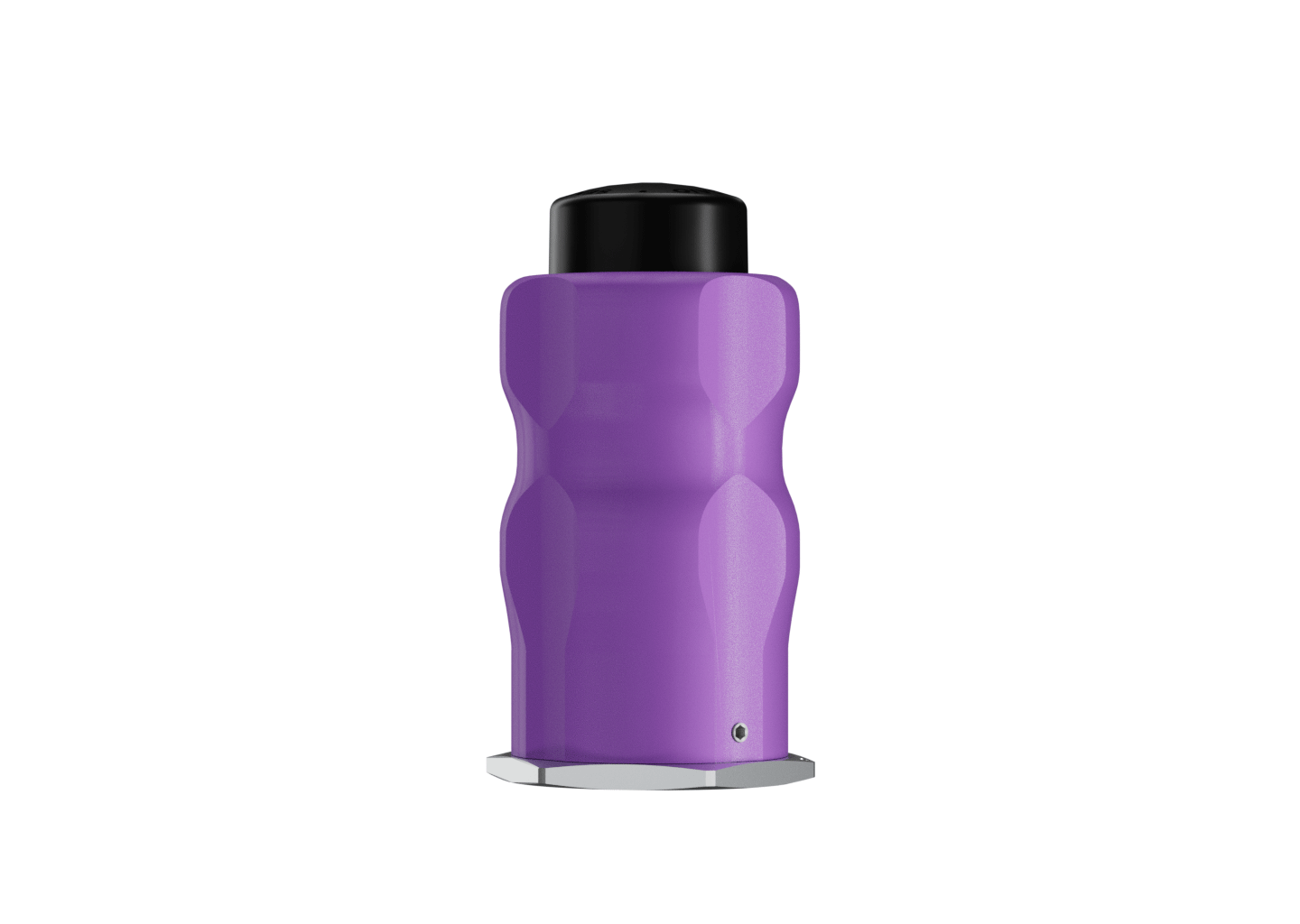
Valve position
The Sensa iO Valve Position Sensor provides real-time open/close feedback for manual and automated valves in oil & gas, chemical, and hydrogen operations.
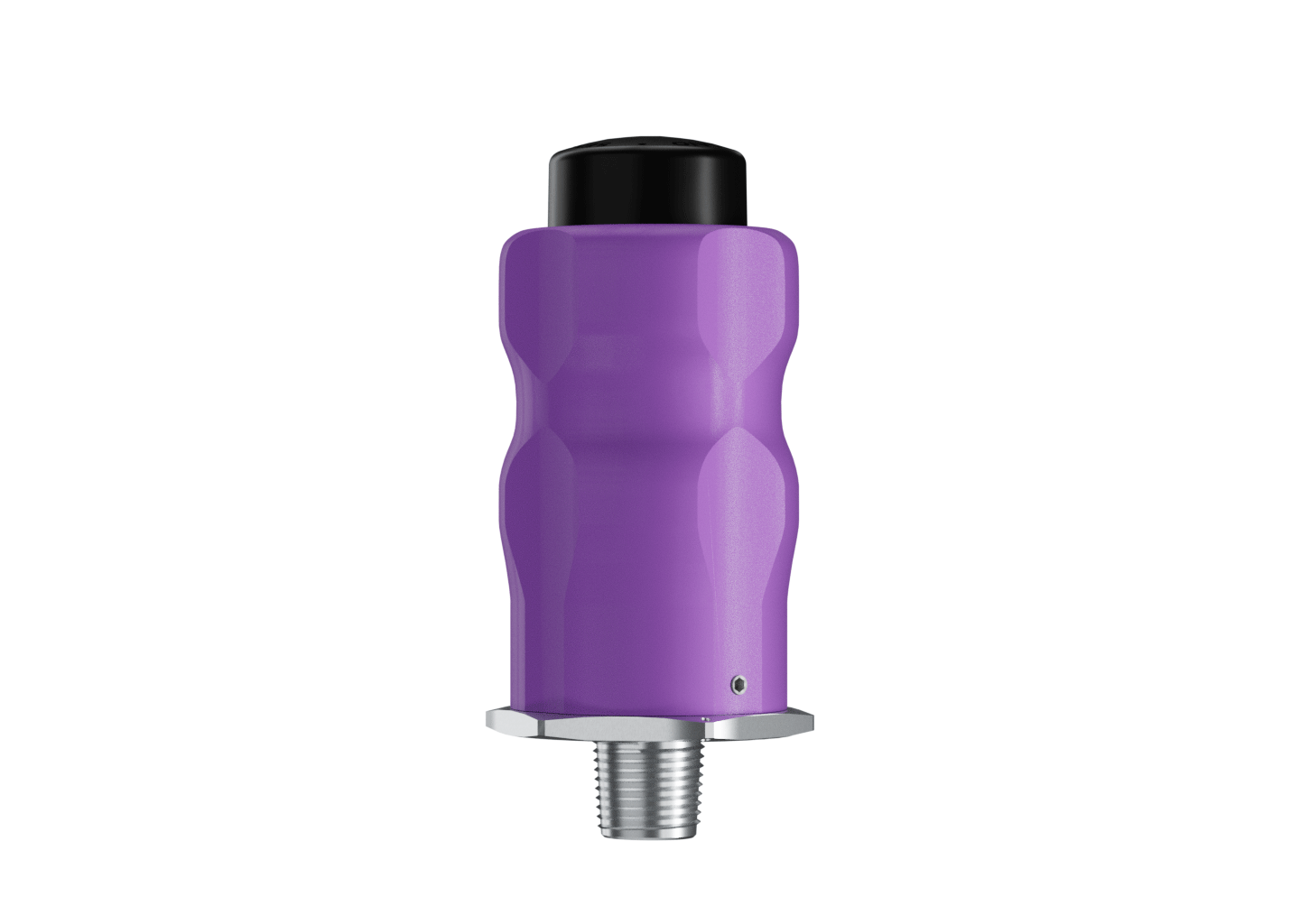
Pressure
A rugged, industrial-grade pressure sensor designed for high-demand oil & gas applications. Provides continuous gas and liquid pressure monitoring, with ATEX intrinsic safety, IP67 housing, and LoRaWAN® connectivity.
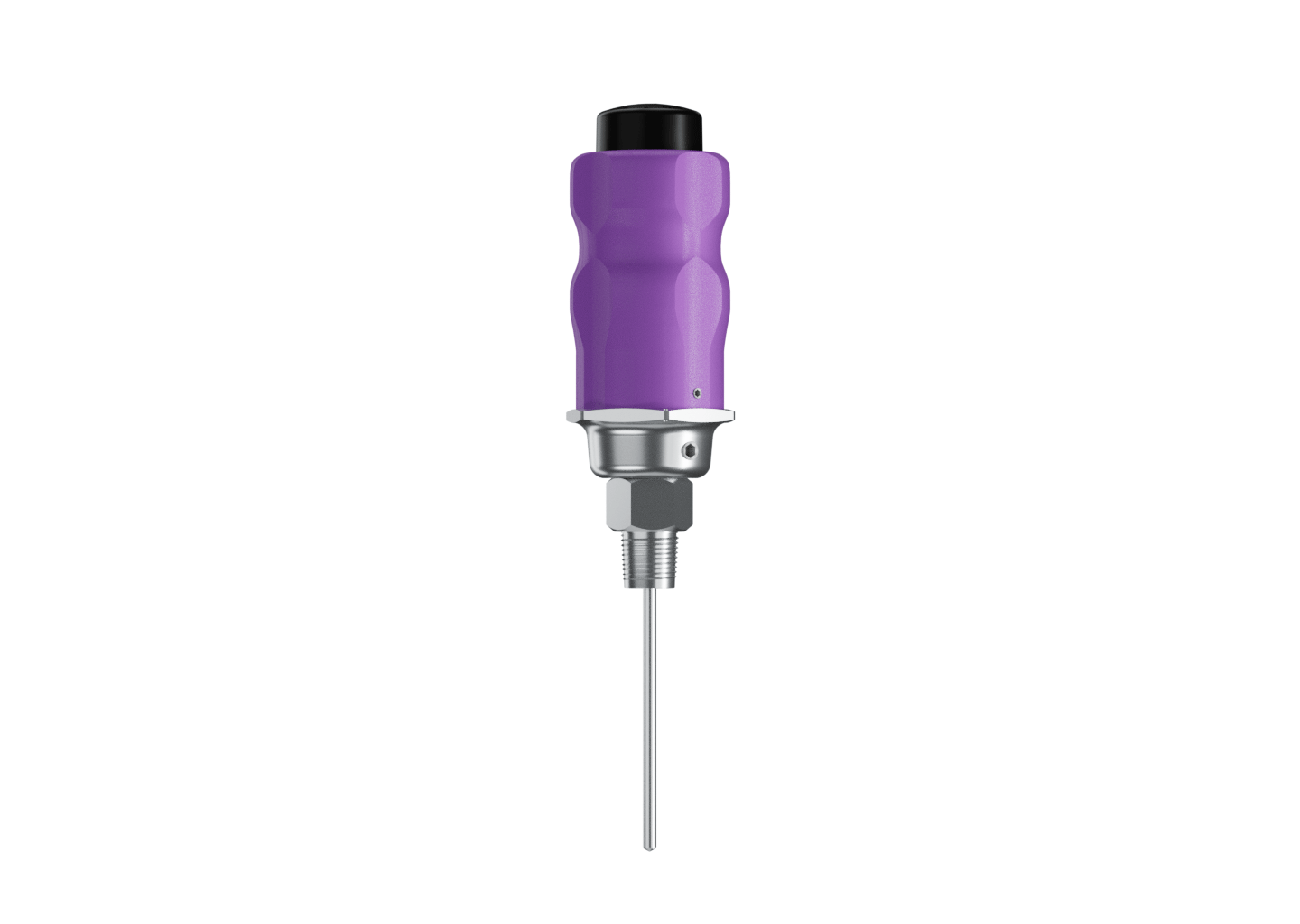
Temperature
Sensa iO’s temperature sensor delivers precise temperature data for process lines, steam systems, heat exchangers, and storage assets.
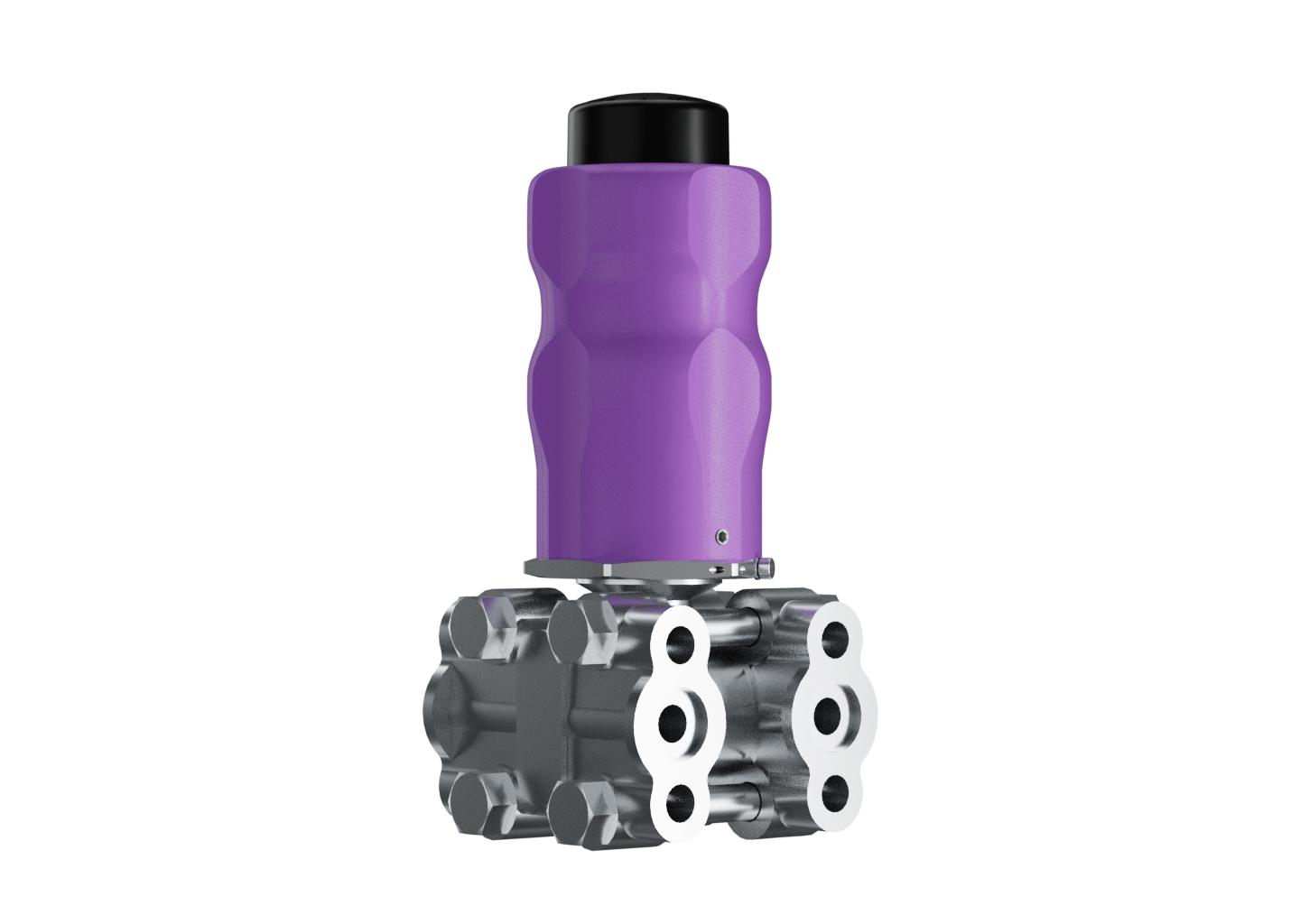
Differential Pressure (ΔP)
A compact DP solution using dual synchronized pressure inputs to deliver accurate differential pressure data for filters, heat exchangers, separators, and manifolds.
Vibration
A high-resolution vibration sensor built for predictive maintenance of pumps, motors, compressors, and rotating equipment.
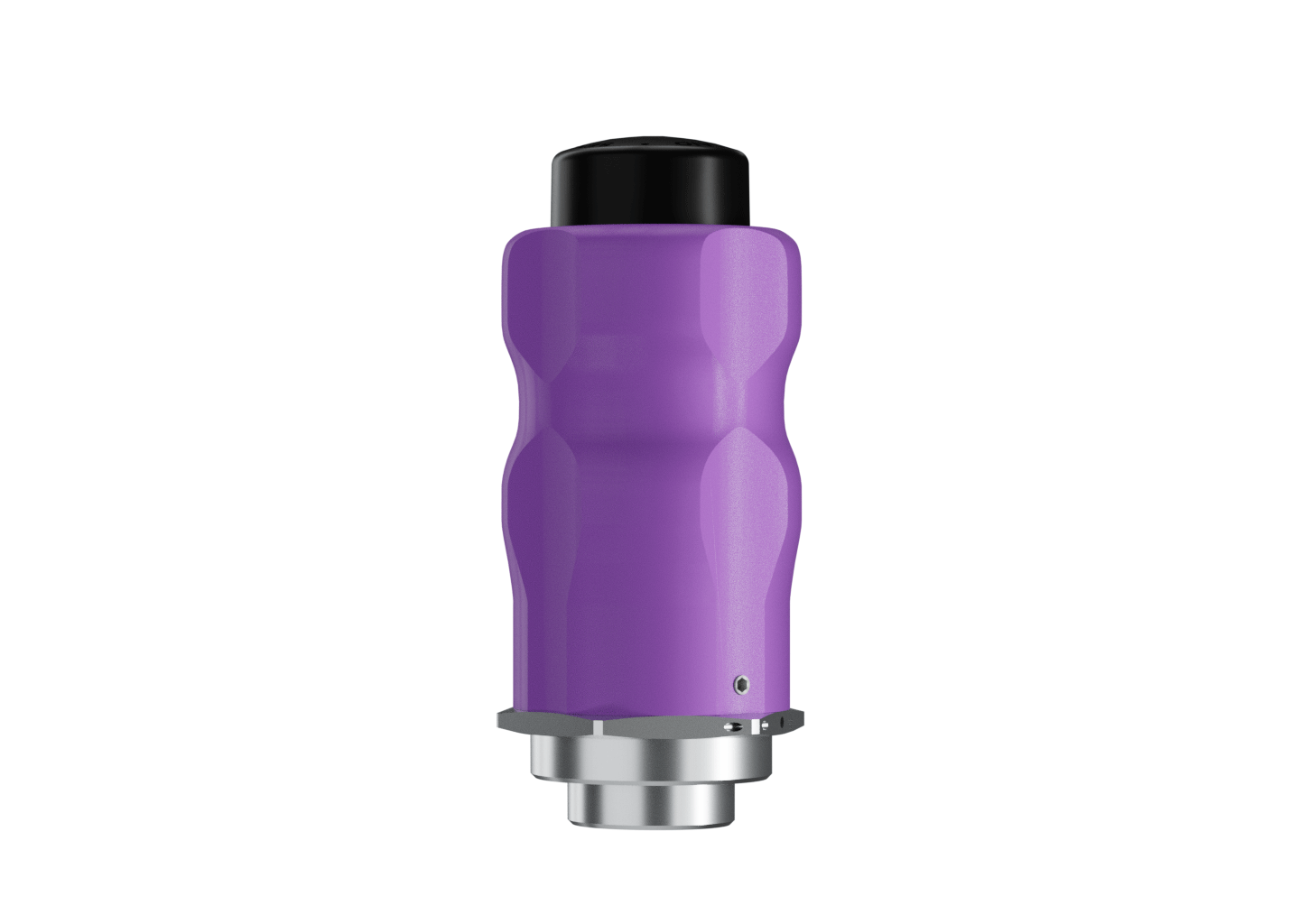
Acoustic
The Sensa iO acoustic sensor identifies ultrasonic leak signatures, gas escape, steam trap failures, and flare noise anomalies.
Trusted by a Worldwide Network
With partners in over 20 countries, Sensa IO delivers rugged sensor solutions to the toughest environments — everywhere.


