
Yes, they connect to any LoRaWAN or MQTT infrastructure (Kerlink, Cisco, Milesight, MultiTech, etc.) for flexible integration with existing SCADA systems.
Compressor Vibration & Temperature Monitoring (Hydrogen & Biogas) — ATEX
Reduces failure risk
Vibration
Quick Overview
| Problem | Compressors are mission-critical in biogas upgrading and hydrogen production. Bearing wear, imbalance, lubrication issues, or cooling failures can escalate quickly, causing unplanned shutdowns, safety exposure, and costly damage—especially in ATEX-classified gas environments. |
| Solution | Sensa.io’s ATEX-certified vibration and temperature sensors continuously monitor compressor health, enabling early detection of mechanical and thermal anomalies before failure occurs. |
| Value | Reduced unplanned downtime • Lower maintenance cost • Improved safety • Higher equipment availability |
| ATEX | Zones 0–2 • Ex ia IIC T4 Gb certified vibration & temperature sensors |
The Operational Challenge
Compressors are used throughout renewable gas facilities for:
- Biogas upgrading (membrane, PSA, water wash)
- Hydrogen compression for storage and distribution
- Gas boosting between process stages
They operate under demanding conditions:
- Continuous duty cycles
- High rotational speeds
- Variable gas composition and pressure
- Heat generation and vibration
Common failure modes include:
- Bearing wear and lubrication degradation
- Rotor imbalance or misalignment
- Cooling system inefficiency
- Excessive vibration leading to structural fatigue
Traditional monitoring methods often rely on:
- Periodic manual vibration measurements
- Temperature checks during inspections
- Reactive maintenance after alarms or trips
This approach leaves long periods without visibility and increases failure risk.
Why Vibration & Temperature Monitoring Matters
Vibration and temperature are the earliest indicators of compressor degradation.
Continuous monitoring enables operators to:
- Detect bearing wear weeks before failure
- Identify imbalance or misalignment trends
- Monitor overheating caused by cooling or lubrication issues
- Correlate vibration patterns with operating regimes
Early detection prevents secondary damage and avoids sudden shutdowns in gas handling areas.
Sensa.io Solution
Sensa.io delivers a wireless, intrinsically safe compressor monitoring solution tailored to renewable gas applications.
Core Components
Vibration Sensor (ATEX Ex ia IIC T4 Gb)
Measures acceleration, velocity, and frequency signatures to identify mechanical anomalies.
Temperature Sensor (ATEX Ex ia IIC T4 Gb)
Monitors bearing housings, motor casings, or cooling circuits for overheating.
Wireless Communication
Supports LoRaWAN, Modbus, and MQTT for integration with SCADA, EMS, and predictive maintenance platforms.
Installation & Power
Battery-powered clamp-on or threaded installation — no cabling, no hot work, no downtime.
Operational Benefits
- Early fault detection and trend-based maintenance
- Reduced catastrophic compressor failures
- Improved safety in ATEX gas zones
- Optimised maintenance scheduling
Results and ROI
ATEX Compliance and Safety
All sensors for compressor monitoring comply with:

- ATEX Directive 2014/34/EU
- Ex II 2 G Ex ia IIC T4 Gb (Zones 0–2)
- IECEx certification
The intrinsically safe design allows installation on live compressors in hazardous gas areas.
Integration and compatibility
| Protocols | LoRaWAN, Modbus RTU/TCP, MQTT, REST API |
| Systems | SCADA, EMS, CMMS, predictive maintenance tools |
| Vendors | Siemens Energy, ABB, Schneider Electric, Honeywell |
| Cybersecurity | AES-128 encrypted communication |
FAQ - Common Questions
Are Sensa.io sensors compatible with any gateway or network?
What ATEX certifications apply to Sensa.io devices?
All hazardous-area models are certified Ex II 2 G Ex ia IIC T4 Gb and IECEx approved for Zones 0–2.
What is the typical battery life?
Up to 10 years at 15-minute intervals, depending on signal strength and environment.
How are the sensors integrated into existing systems?
Through standard protocols — LoRaWAN, Modbus, MQTT, REST API — no proprietary middleware needed.
How does predictive maintenance reduce OPEX?
Early anomaly detection reduces emergency interventions by 30–40 %, extends equipment life and lowers energy costs.
What does the Sensa.io Valve Position Sensor actually measure?
The device detects real-time valve position states—open, closed, or intermediate—with high accuracy. It continuously sends this information wirelessly to your monitoring dashboard.
Can this sensor detect partial valve movement or stuck valves?
Yes. The sensor identifies irregular patterns such as partial movement, delayed response, or stuck valves, enabling early maintenance before failure occurs.
Is this sensor suitable for manual, motorized, and actuated valves?
Yes. It supports a wide range of valve types including ball, gate, butterfly, actuator-driven, and manual valves.
How fast does it update the valve position?
You can configure the reporting interval—from seconds to minutes—depending on your operational and battery needs.
How long does installation take?
Most installations take under 10 minutes. The sensor mounts using brackets or clamps without modifying existing valves.

Explore Our Sensors
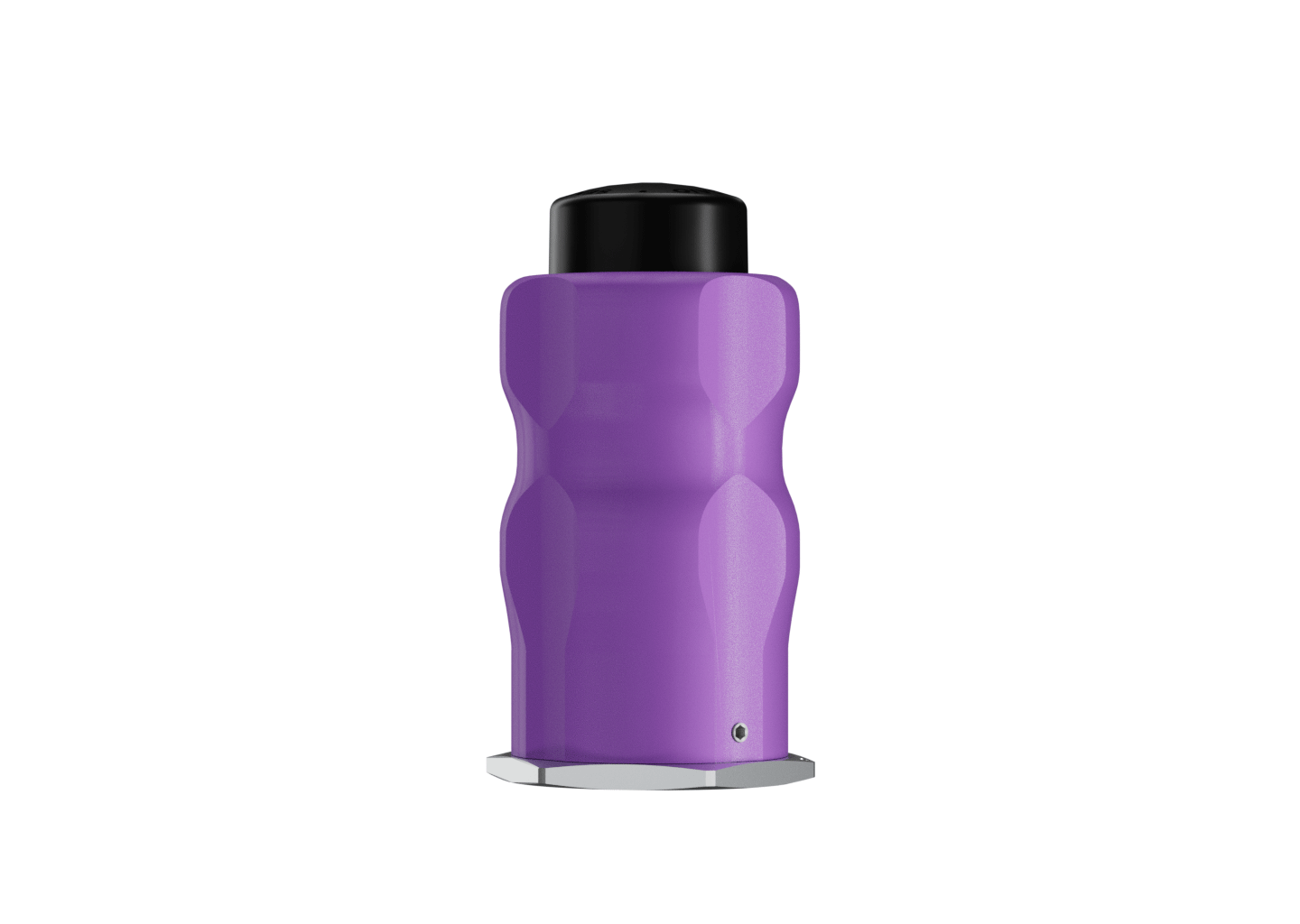
Valve position
The Sensa iO Valve Position Sensor provides real-time open/close feedback for manual and automated valves in oil & gas, chemical, and hydrogen operations.
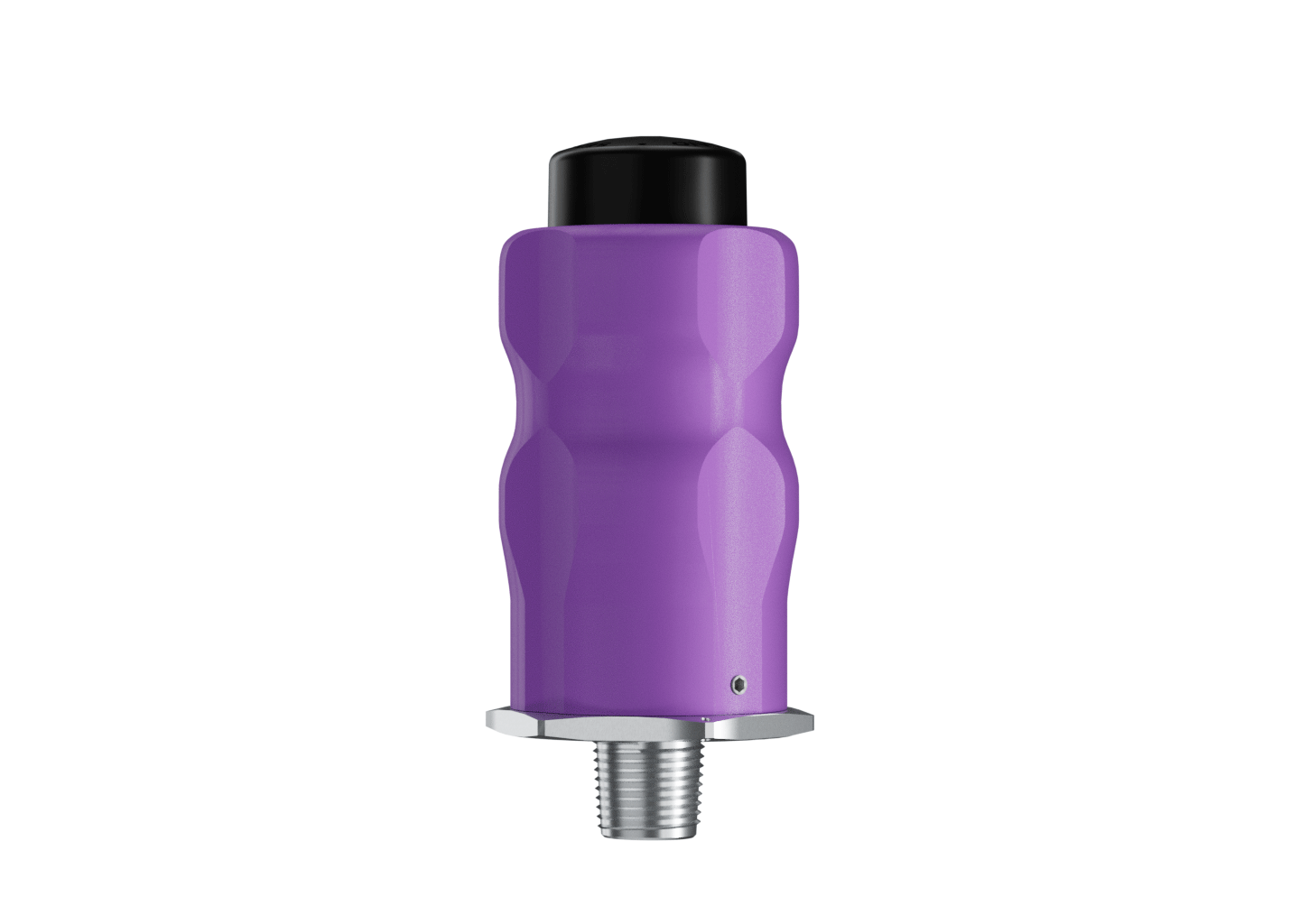
Pressure
A rugged, industrial-grade pressure sensor designed for high-demand oil & gas applications. Provides continuous gas and liquid pressure monitoring, with ATEX intrinsic safety, IP67 housing, and LoRaWAN® connectivity.
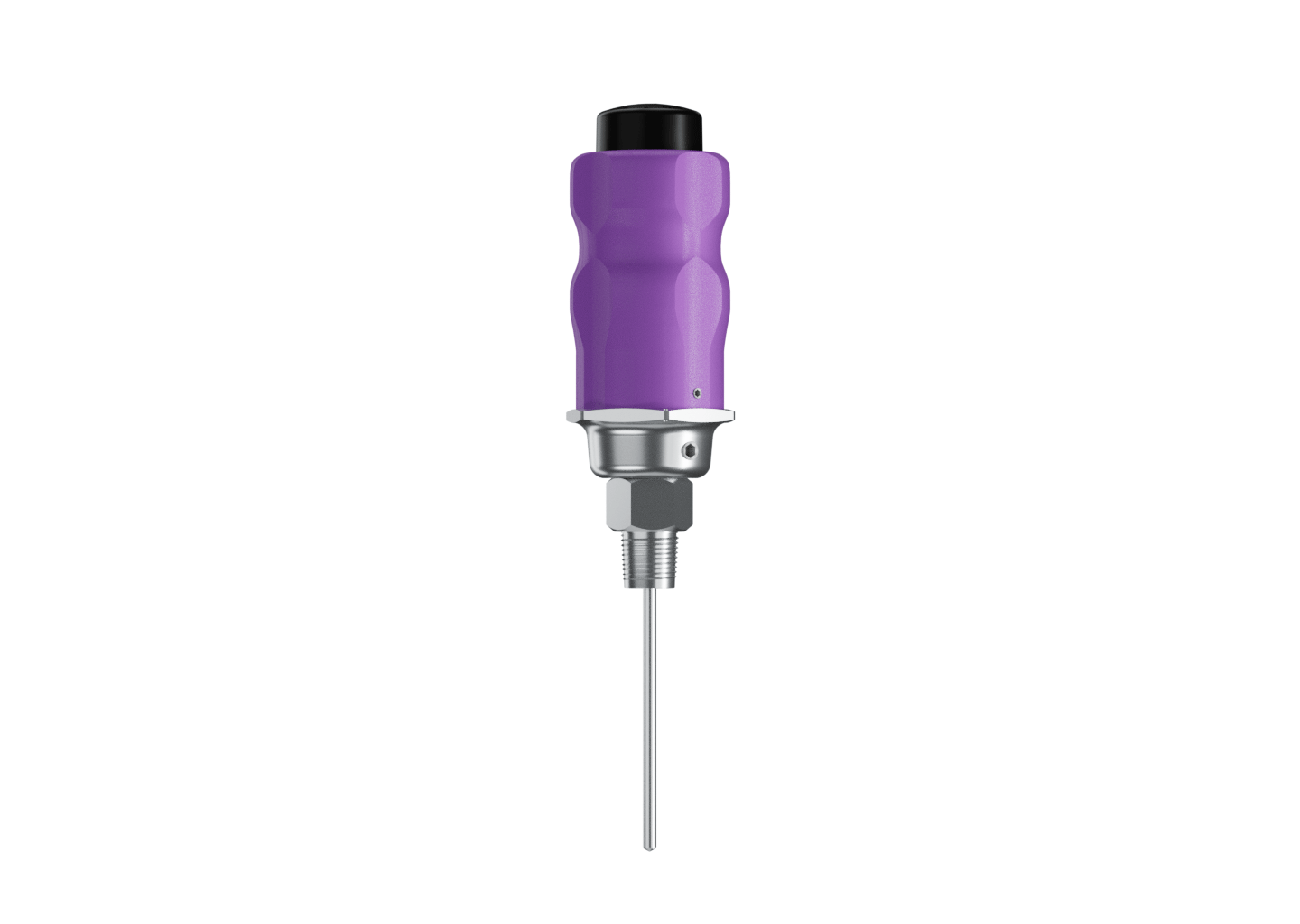
Temperature
Sensa iO’s temperature sensor delivers precise temperature data for process lines, steam systems, heat exchangers, and storage assets.
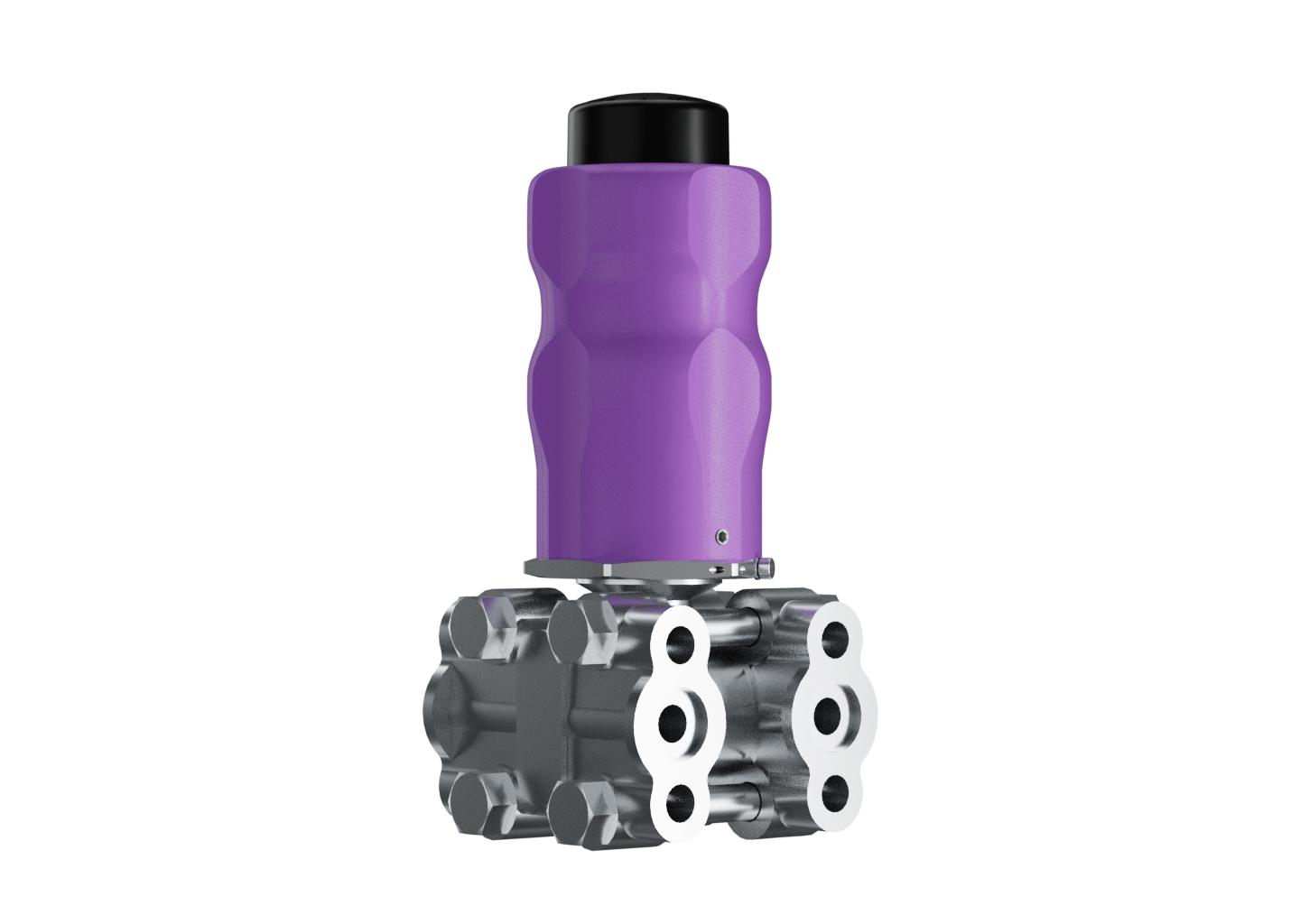
Differential Pressure (ΔP)
A compact DP solution using dual synchronized pressure inputs to deliver accurate differential pressure data for filters, heat exchangers, separators, and manifolds.
Vibration
A high-resolution vibration sensor built for predictive maintenance of pumps, motors, compressors, and rotating equipment.
Acoustic
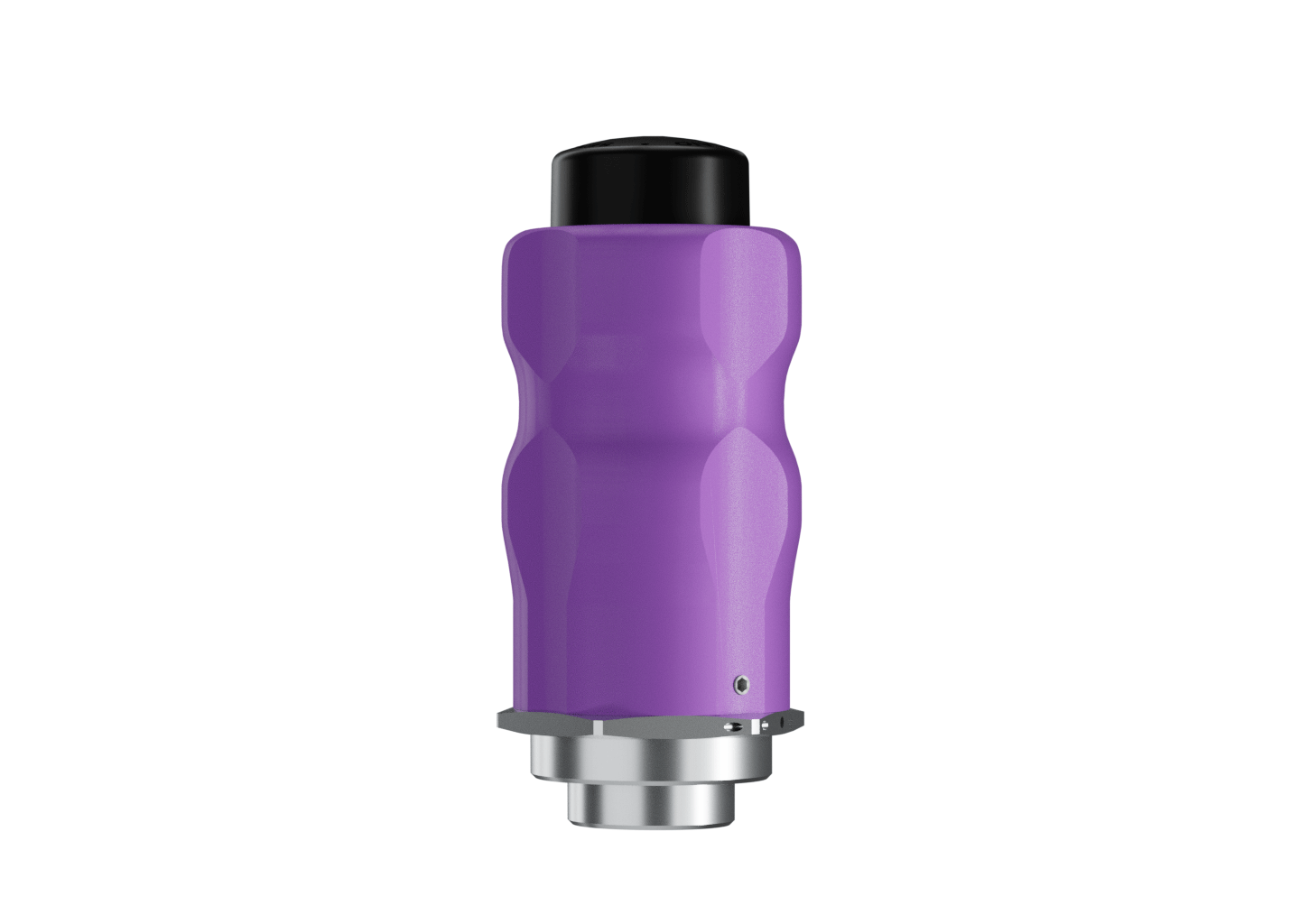
The Sensa iO acoustic sensor identifies ultrasonic leak signatures, gas escape, steam trap failures, and flare noise anomalies.
Trusted by a Worldwide Network
With partners in over 20 countries, Sensa IO delivers rugged sensor solutions to the toughest environments — everywhere.


